Discover Sicily’s Phoenician Legacy in Mozia
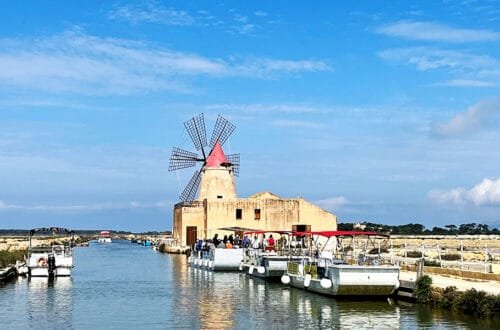
I discovered the Phoenician civilization in Mozia (Mothia) on the Sicilian island of San Pantaleo. My family took an incredible tour of Sicily organized by Dimensione Sicilia. The island of Mozia (or Mothia) was a tour stop. A quick search of Google maps revealed nothing. We had no idea where we were going, but I trusted my Sicilian travel agent. Our driver brought us out to the Salt Pans to meet our guide, at the small wharf where a water taxi took us from Sicily to the small island of San Pantaleo.
On the water taxi, our guide introduced the ancient Phoenician civilization that once occupied Mozia/Mothia. She told us a fascinating story. Visiting Mozia without the backstory is a recipe for boredom. Make sure you educate yourself on the elusive Phoenician culture and the history of Mozia. And I promise that the visit will fascinate you! Keep reading below:
Phoenician Culture
Before I introduce you to Sicily’s Mozia (Mothia or Motya), you must learn about the ancient Phoenicians who built this amazing city. Conquerors write history – not the conquered. So everything we know about the Phoenicians was written by their enemies. Mozia is an incredible opportunity to discover the history of the ancient Phoenician culture that you may have only encountered in the Bible.
Phoenicians and the Color Purple
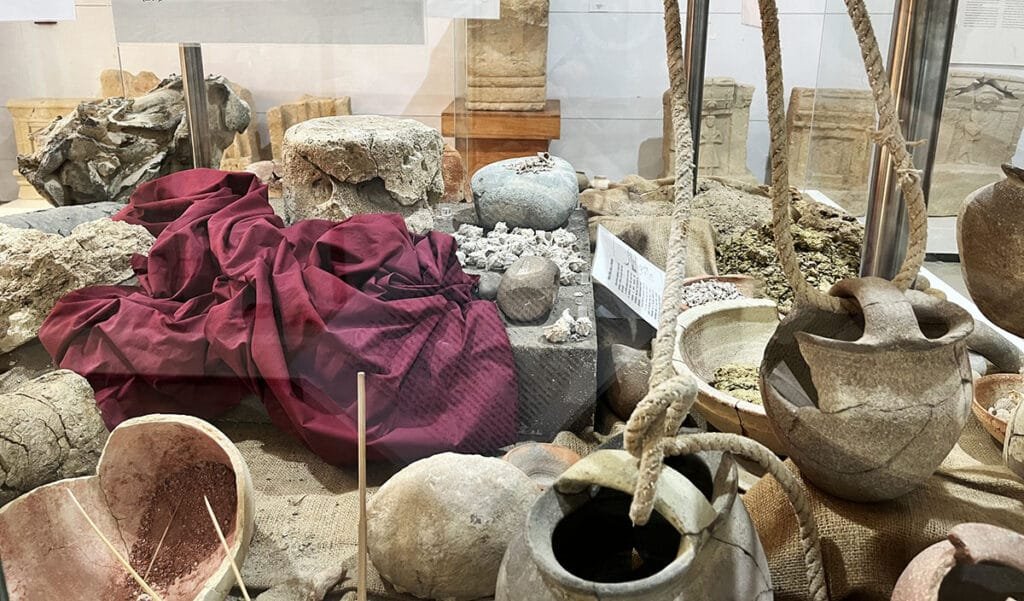
Purple dye was extremely expensive in the ancient world. Phoenicians, came from what is today the country of Lebanon. They were well known makers of purple dye. They also traded for it. The Greeks called this location “Phoenicia” – which is believed to mean the “Land of Purple.” The Phoenicians first produced the color purple in the 16th Century BC.
Canaan, the Land of Purple
Canaan means “land of purple.” It refers to an area where purple dye was produced from shellfish. The location of Canaan is on the eastern side of the Mediterranean Sea where Asia, Europe and Africa come together. Phoenicia and Canaan are synonyms. Canaan is written on Phoenician coins, so it may have been the name that they used.
The ancient land of Canaan was the center of the purple dye industry. Tyrian Purple dates back to 1600BC. The color is taken from the mucus of sea mollusks including snails and clams. They lived in shallow waters. To harvest the color, the Phoenicians killed the sea creatures. Processing the purple dye was an extremely smelly endeavor. Tens of thousands of these sea creatures were required to produce enough dye for a small piece of fabric.
Royal Purple
Tyrian Purple intensified with wear. The color did not fade, which was one of the reasons that it “commanded an exorbitant price.” Tyrian purple or royal purple represented luxury in the ancient world. Only priests, kings, emperors, and magistrates wore the color due to its high price. Purple was the royal standard throughout the ancient world. Leaders of Rome, Egypt and Persia all wore Tyrian purple. The Phoenicians did not wear purple themselves. They were purveyors of purple dye and goods.
Phoenicians and Sea Silk
The Phoenicians were known for sea silk fabric. They wove the fabric and dyed it in beautiful colors such as shapes of purple, blue and pink, before trading it across the Mediterranean. Sea silk byssus – also known as the mermaid’s gossamer – was the finest fabric available in the ancient world. The fibers were extracted from large clams that live in shallow waters in the Mediterranean Sea. The Phoenicians cleaned, dried and combed the fibers before spinning them into silk threads. They often dyed the silk. Silk from silk worms replaced sea silk starting around 500AD. Sea silk was incredibly light and extremely strong. Today, a single craftswoman makes sea silk. She shares her craft at the Byssus Museum or Museo del Bisso in Sant’Antioco, Sardinia. It has been made in this area since the Phoenician times.
Phoenicians and Salt
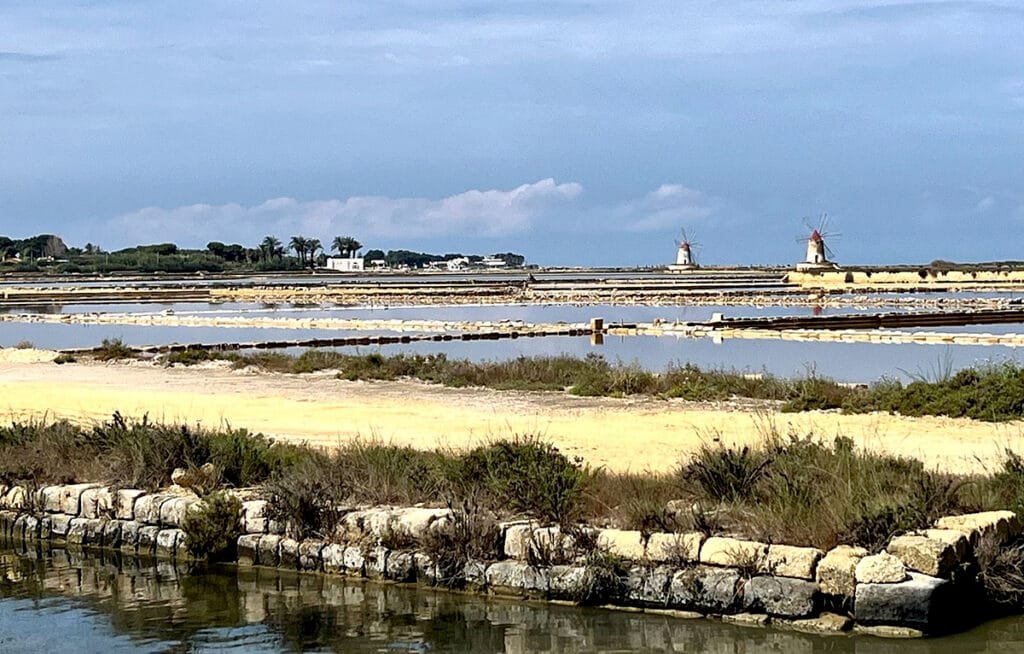
Salt was exceptionally important for food preservation before refrigeration. The ancient Greeks highly valued salt. In fact, they used salt as a currency. The Greeks and Phoenicians traded salt and salted fish. The term “salary” comes from the salt rations provided to Roman soldiers. The Phoenicians founded colonies where they could harvest salt. They traded salt with civilizations who had less access to salt. In the Stagnone Lagoon, surrounding Mozia (Mothia), mother nature literally made money in the salt pans.
Phoenicians as Merchant Sailors
Phoenicians were known as great sailors and merchants. The Phoenicians were craftsmen and merchants who sailed the Mediterranean in their triremes (ships) trading goods. Their civilization functioned across a city states throughout the Mediterranean. Most Phoenicians identified themselves as a citizen of their city.
The End of Phoenician Culture
Alexander the Great put an end to the Phoenicians in the 4th century BC. Romans took over the remains Phoenician civilizations. Ultimately almost all Phoenician settlements became foundations for Greek, Roman, and other cities. Conquerers write history – not the conquered. So what we know about the Phoenicians was written by their enemies. Little remains of their civilization except for the Tyrian purple color that they were known for.
The British in Sicily
The Whitakers were a British family who invested in the wine trade in Marsala. In addition to exporting Marsala wine, they owned vineyards, cultivated agave and inherited a British baking empire. The family primarily lived in Palermo, but they owned many properties.
Joseph Whitaker Sr. and his uncle, Benjamin Ingham built an Anglican Church in Palermo. The Grande Hotel et Des Palmes across the street from the Anglican church was originally a private residence for the Ingham-Whitaker family. The palazzo included a secret passageway that connected it with the Anglican Church plus a winter garden that stretched all the way to the sea. The original gardens for both the church and palazzo have both given way to city fabric. Today the palazzo is a luxury hotel.
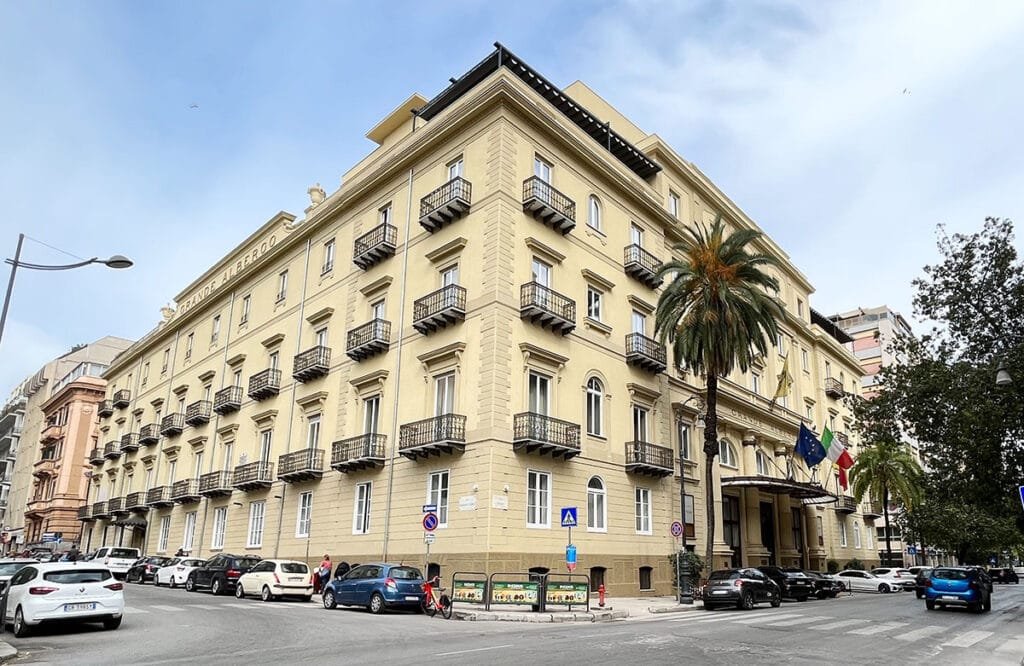
To learn more about the Whitaker family, read the novel Phoenix: Princes Under the Volcano: Two Hundred Years of a British Dynasty in Sicily.
Joseph Whitaker, Jr or Giuseppe Whitaker
The younger, Joseph Whitaker, Jr also known as Giuseppe Whitaker was born to an English father and a Sicilian mother from a noble family. He grew up both British and Sicilian. His family’s great wealth allowed him to pursue many interests. He married Caterina (Tina) Scalia, who was the daughter of Italian General Alfonso Scalia. They had two daughters, Eleonora (Norina) and Cordelia (Delia) Whitaker.
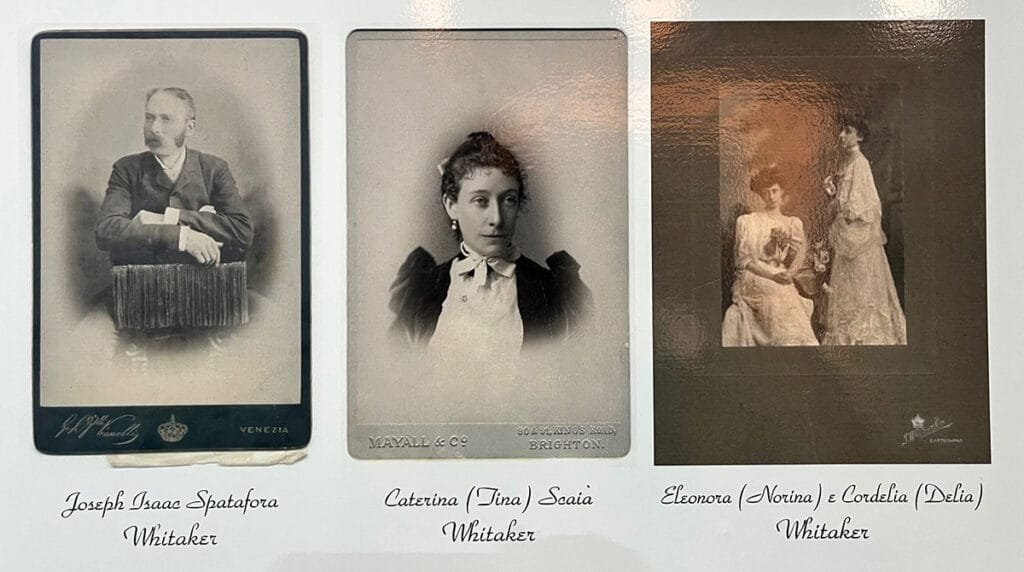
Joseph is best known for his published works on the birds of Tunisia, however his interest in archeology may be more exciting. While his family lived in Palermo, Whitaker suspected that there was once an ancient city on the island of Mozia. In 1902, he purchased the Isola di San Pantaleo in the Stagnone Lagoon near Trapani and built a villa for his family. He dedicated the end of his life to excavating the island. Initially, he believed that he found Roman ruins. Upon closer inspection, it was clear that the civilization that had occupied this island was neither Roman nor Greek. Whitaker discovered the ruins of the Phoenician city of Mozia or Mothia or Motya.
The Phoenician City of Mozia – Mothia – Motya
Phoenicians designed their towns to live in a completely different way from the Greeks and the Romans. I found it fascinating that Mozia’s citizens lived in the center of the city. They worked in the outer rings of the town near the temple areas. This town planning differed from Greek cities where the gods and their temples occupied the center of the city.
The street system in Mozia was maze-like – similar to that of Erice. The maze-like streets created confusion and disoriented outsiders – from a military perspective. Due to the island’s small size, to accommodate more people they were not able to expand their city horizontally, so they went up. Ancient texts describe Mozia’s 6-story buildings – which was highly unusual at that time. The immense city walls often extended right to the water and included watch towers.
Mozia’s The House of the Mosaics
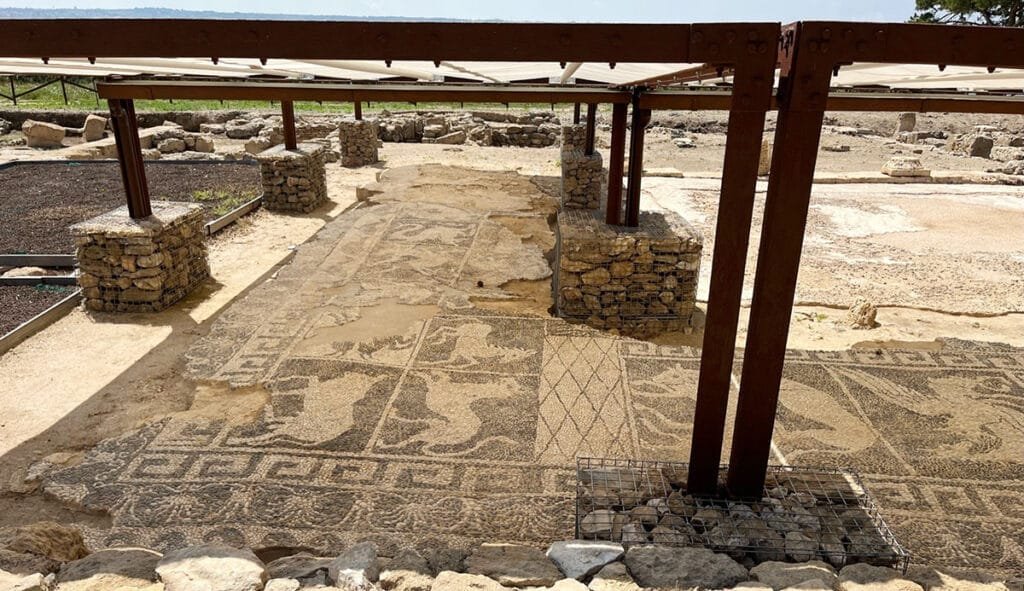
Guiseppe Whitaker discovered the mosaics in what he thought was a Roman villa on Mozia. However, black and white pebbles made up the mosaics rather than marble typically used by Romans. The University of Bologna identified that this building was in fact a public building that functioned as the city entrance of the East Gate.
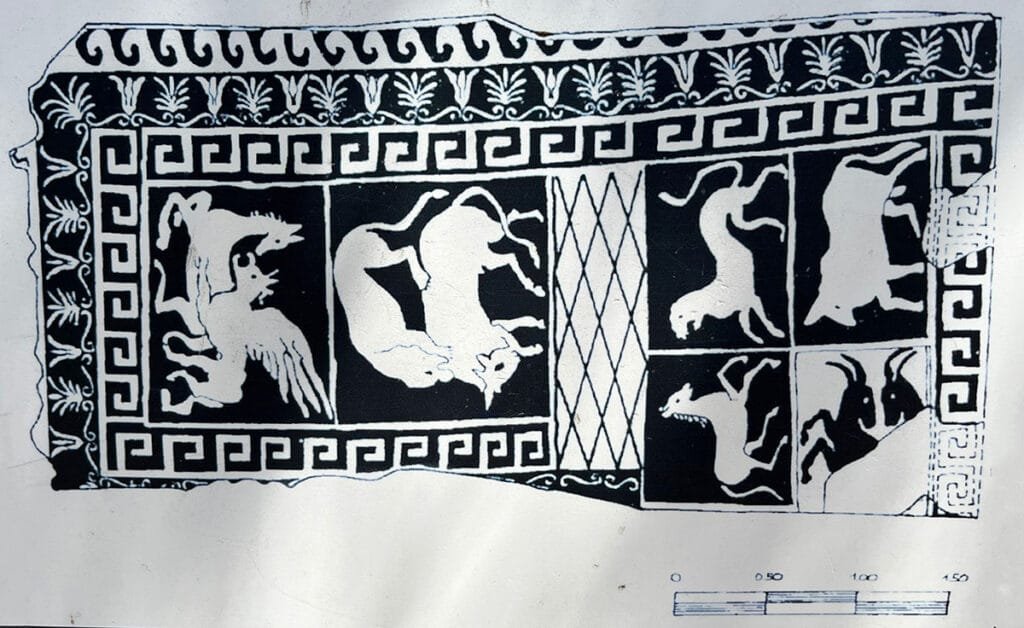
The building dated from the 6th Century BC and functioned until the Greeks burned the city in 397 BC. The mosaics depict the coat of arms of the noble ruling families of Mozia. Surprisingly, Phoenician culture did not have a single ruler. The families at the highest economic level ruled together in this merchant society.
Phoenician Construction at Mozia
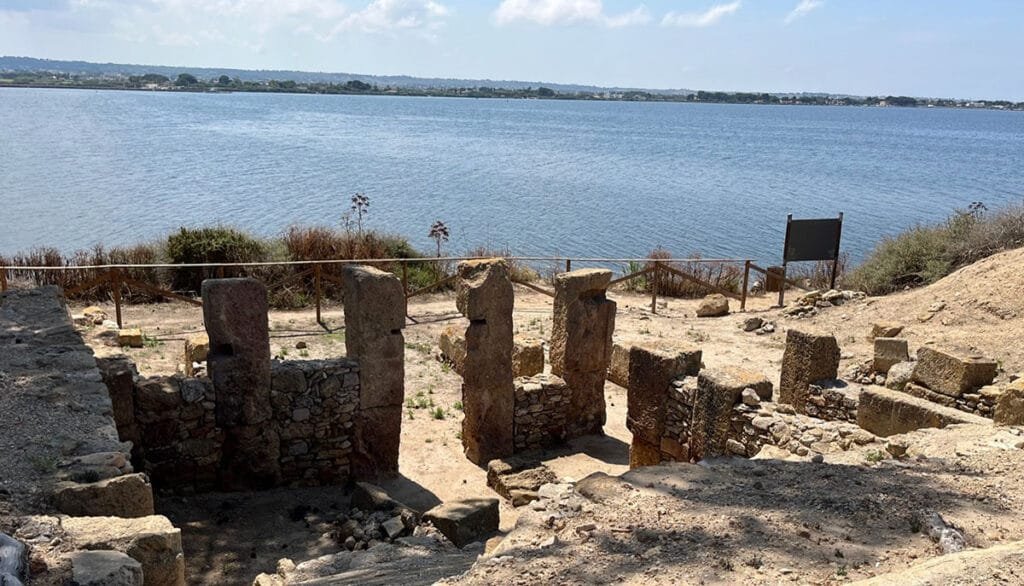
Tall stone pillars spaced evenly and infilled with rubble stone and mortar are a signature of Phoenician construction. The Phoenicians at Mozia focused on trading and sailing. They had no time to hone their construction techniques to create the perfect building like the Greeks. The Phoenicians simply looked for the quickest construction method.
Mozia’s Maritime Gate
The South Gate was open to the sea. This was the most important of the four gates. Archeologists excavated huge storage buildings nearby.
Mozia’s Kothon
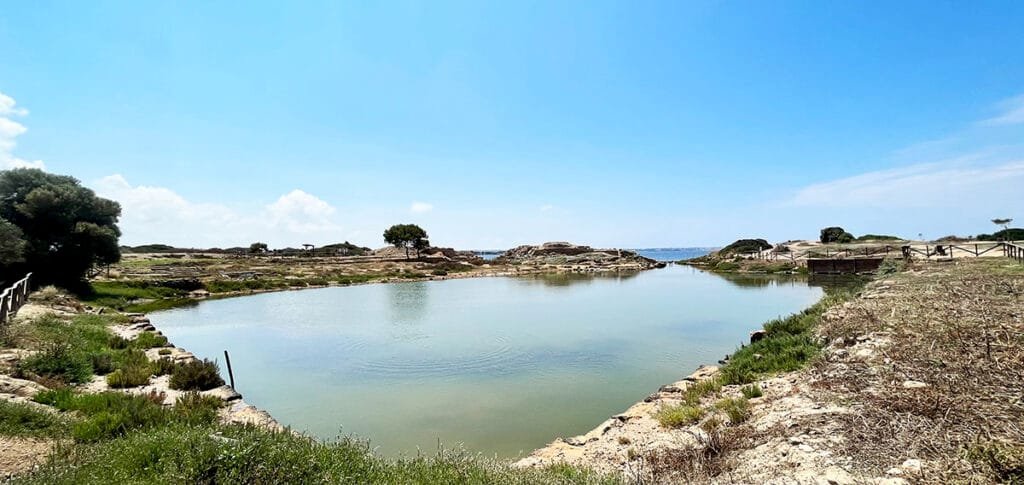
The use of this artificial basin that is currently open to the saltwater lagoon has been under speculation for years. Its name comes from the artificial harbors that the Phoenicians built to park ships in in Carthage. However, this basin is only 2.5m deep. It measures almost exactly 50x25m. In the 1990s and 2000s archeologists discovered the foundations of an almost circular wall around this trading area. On a hunch, the leading professor pumped all the water out of the basin and waited to see what happened. About three days later, the basic filled with fresh water. The water then moved out to sea.
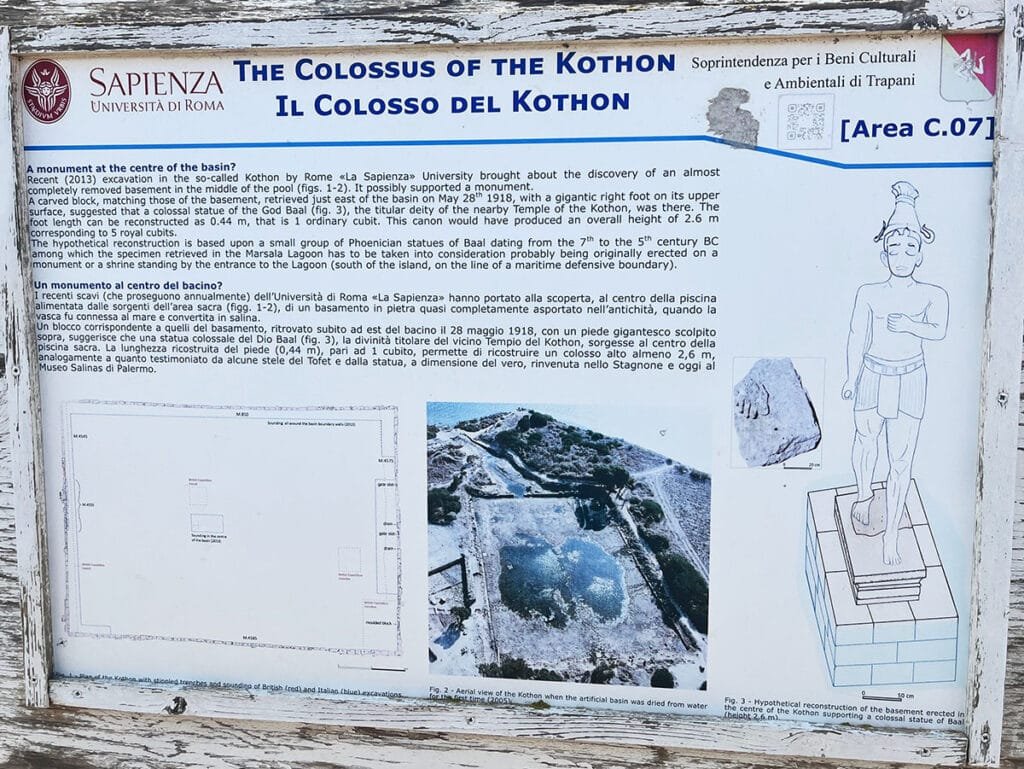
Mozia’s basin held moving fresh water fed by a spring underneath the island. This was living water was available for religious ritual washing. Archeologists from La Sapienza in Rome found a huge foundation to a temple in the center of the basin. A fisherman found a colossal stone foot, which archeologists believe belonged to a statue of the god Ba’al that stood in the center of the pool. Ba’al was the main god of the Phoenicians. The foundations of a nearby temple that appears to be dedicated to Ba’al’s wife, Asherah or Baalat.
Phoenician Residential Area at the center of the Island
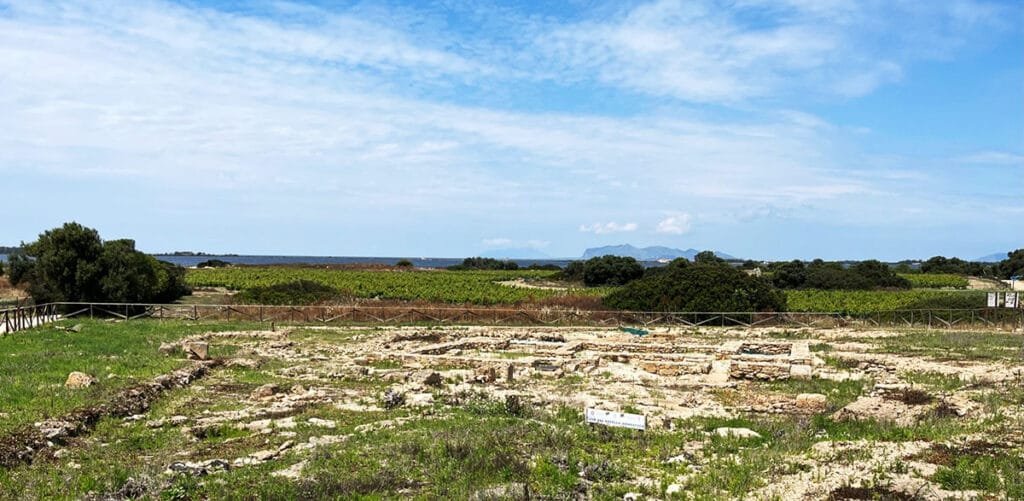
As we traversed the center of the island, it was easy to see the foundations of the residential area of ancient Mozia. Our guide commented that time had not buried this section. If we removed a little bit of sand, then we would be back in the 4th century BC.
Marsala Wine Grapes
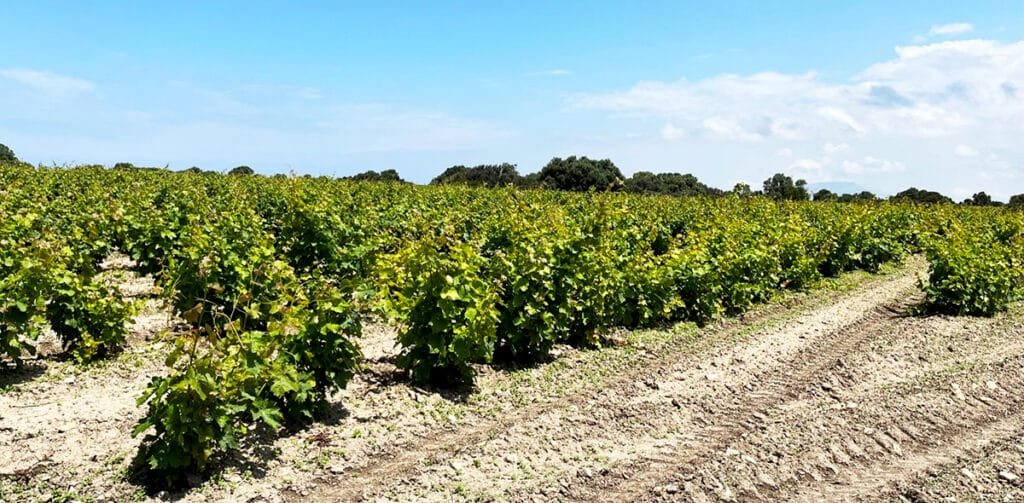
At one time grapes covered most of the island of Mozia. These grapes produced the famous Marsala wine. Each wine plant grows like a bush or a small tree. The plants are short and that is what allows them to pull moisture from the ground overnight. It is easy to imagine that the wine grapes were organized in this fashion in ancient times.
The lack of water means that these grapes have a high concentration of sugar, which makes for a very strong wine grape. Marsala is the only place where grapes grow in this fashion. Farmers irrigate most other Sicilian wine grapes, which produces a lighter table wine. When archeologists excavated the House of the Mosaics they discovered ancient pomegranate and grape seeds. Local grapes and pomegranates growing today are of the same ancient variety.
Ancient Phoenician House the Whitakers used for Marsala Wine Trade
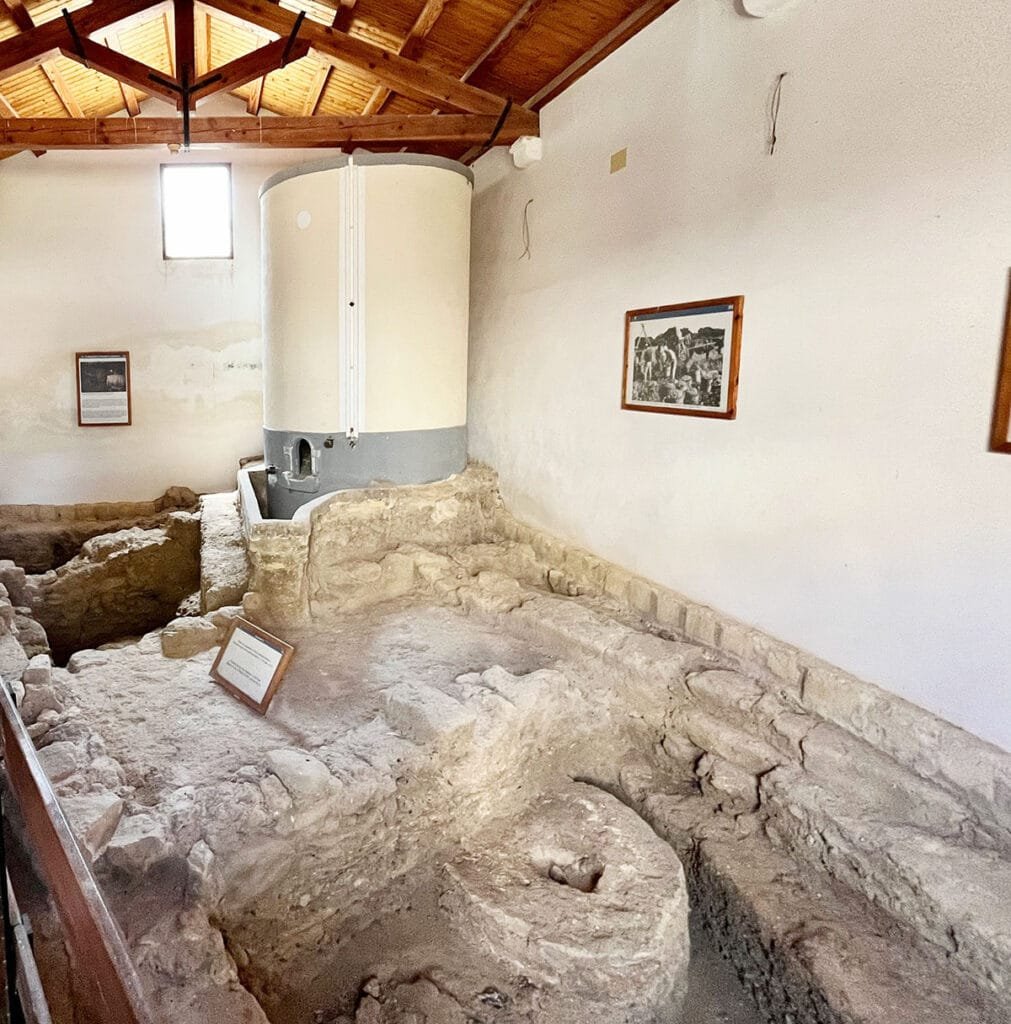
The Whitaker family used this building to facilitate their wine trade. During the renovations of this building, they discovered that the building sat on an ancient Phoenician foundation. They found a circular platform with recessed center at the center of the room. The platform’s use is unknown.
The Whitaker Museum
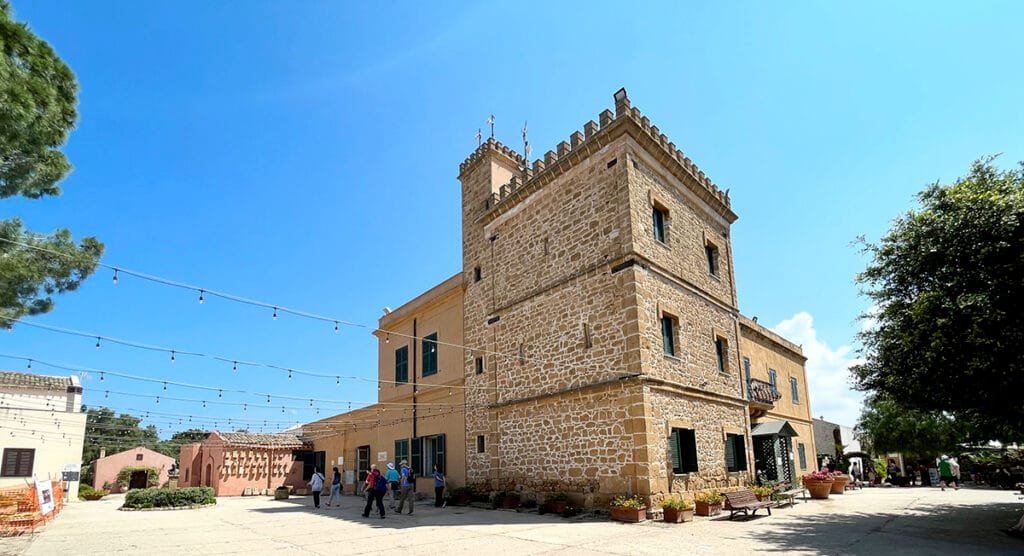
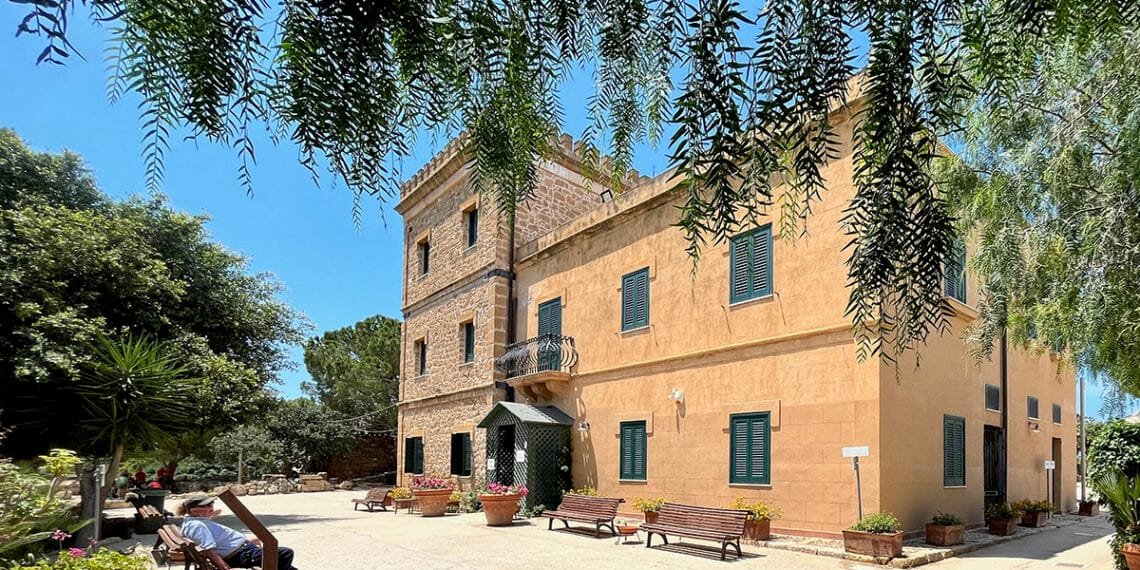
The museum occupies the villa where the Whitakers lived when they were on the island. It contains artifacts excavated on the island. The G. Whitaker Foundation owns and operates the entire island including the museum . Giuseppe Whitaker’s daughters died without any children. His daughter Delia set up the foundation to promote cultural activities in Sicily with a particular focus on the Phoenician-Punic civilization and to preserve the historic heritage of the island of Mozia, the Stagnone Nature Reserve, and of Villa Malfitano in Palermo.
Giovinetto di Mozia – Youth of Motya or Mothia
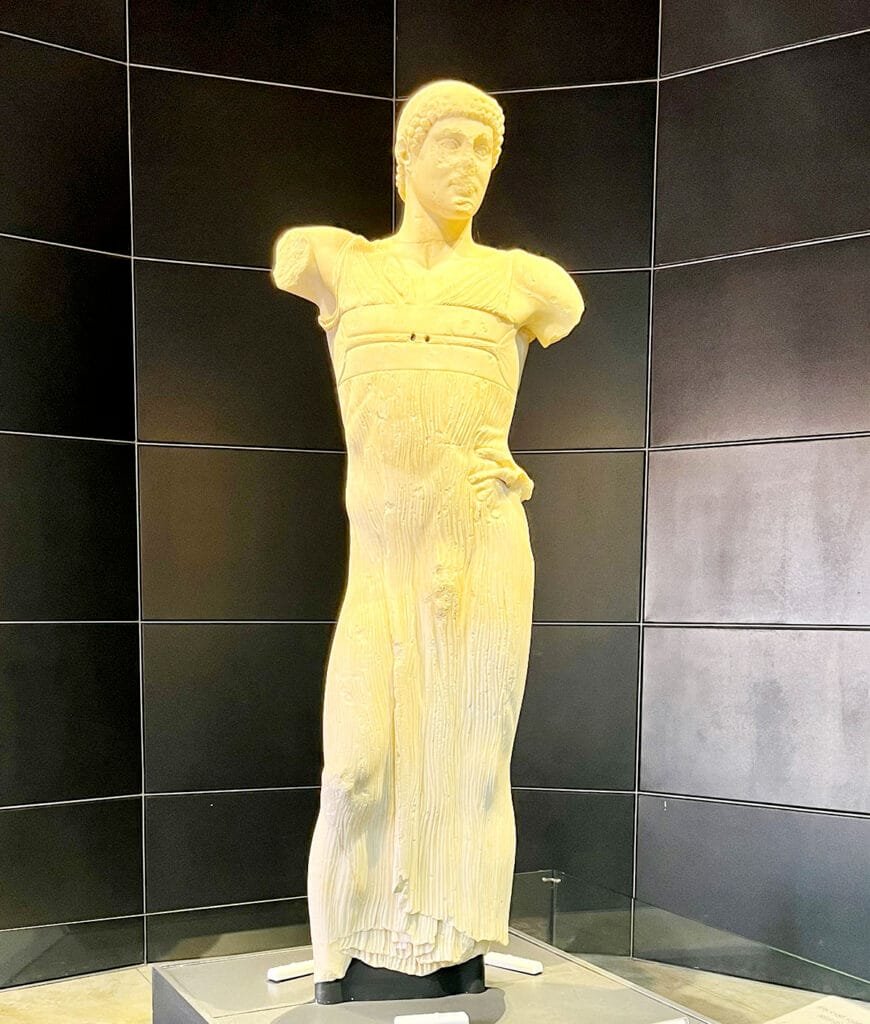
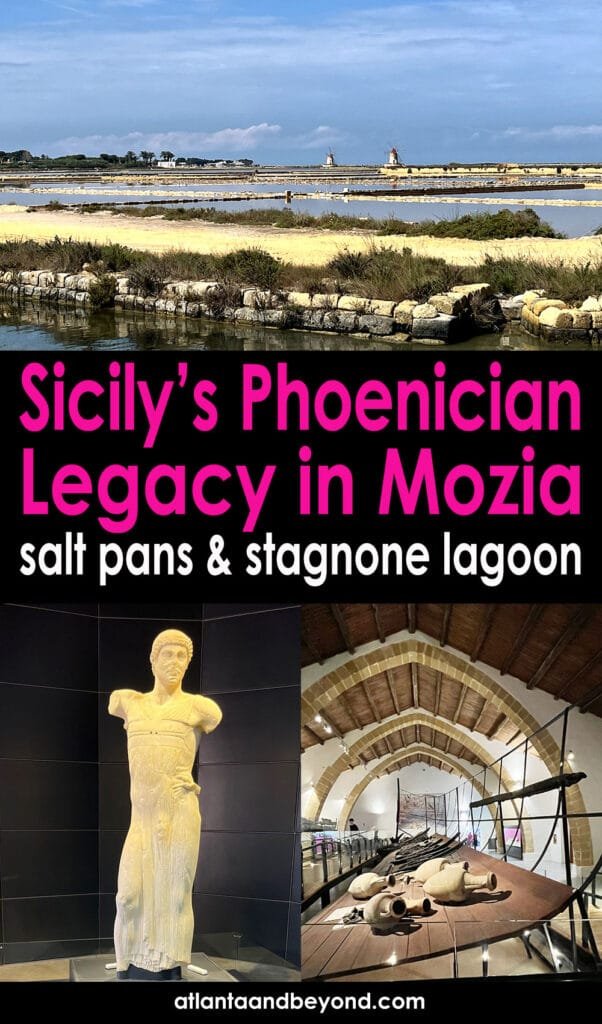
On our visit to Sicily, we heard several versions of the story of the Youth of Mozia or the Charioteer of Mozia. Every city claimed this refined sculpture. As this sculpture is an archeological discovery, we will likely never know the exact origin. I liked the interpretation provided by our guide. This statue was found on the island in 1979 near the North Gate and the basin. It had been carefully buried there – likely to protect it from the invading Greeks.
The statue was sculpted from a single piece of Greek Parian marble, which was the finest marble available at that time. It is believed to date from 475-460 BC. Many scholars think that the artist who created this statue carved also carved the metopes from the temple at Selinunte. The Phoenicians would not have been able to carve a statue of this caliber. It is likely that they commissioned a Greek artist to sculpt it.
The statue embodies Phoenician characteristics in addition to Greek ones. Typically, a male Greek statue is naked to show off the beauty of the male body, however this statue is dressed. He appears to be dressed in the very elegant and expensive sea silk for which the Phoenicians are famous. Traces of color suggest that at one time, his belt was purple.
It is very likely that this statue depicts a Phoenician god, who is dressed in the items that they are known for. The body it likely based on the Greek god Apollo, who is represented as a young, adult man. Although we do not know which Phoenician god the statue represents, there is speculation that it is the god, Melqart, who protected the Phoenicians in Sicily.
Ceramics in Phoenician Mozia
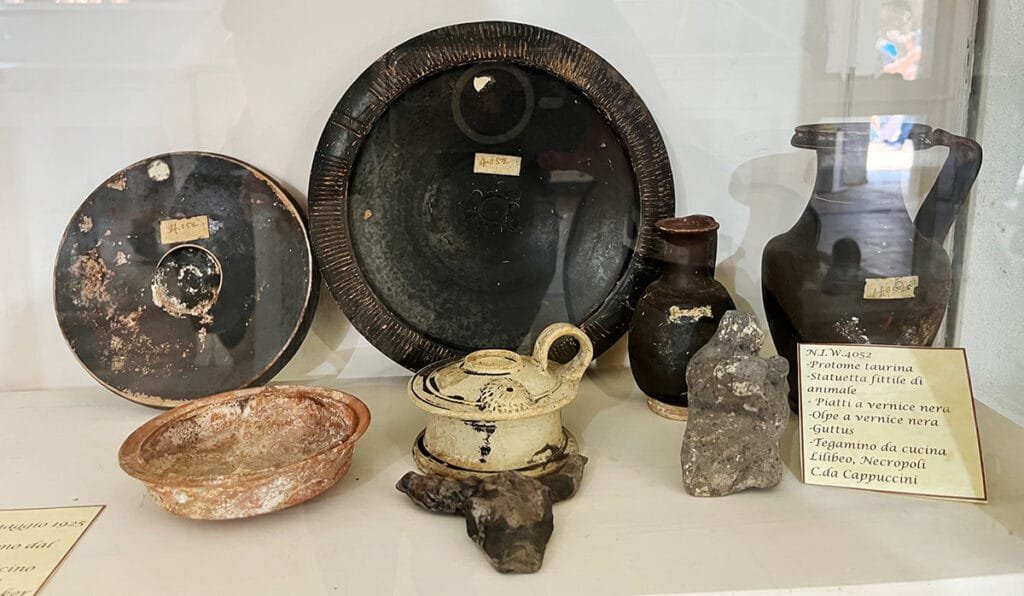
Archeologists excavated kilns used to make ceramics in the industrial area of Mozia. Ancient ceramicists used molds to mass produce their trade. The Phoenicians applied a simple black glaze to strengthen the ceramics. Greeks purchased these posts. Greek artists added any decorative imagery in addition to the black glaze. Archeologists also found basins used to produce the color purple.
Mozia’s Tophet
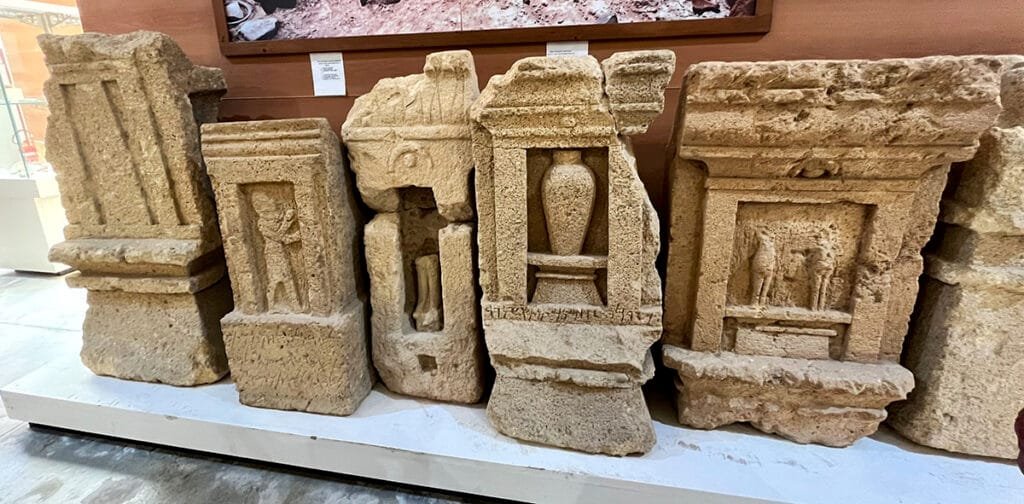
There was a necropolis on the island. The urns contained bones and ashes belonging to children. Although we do not know for certain, the histories written by the Jews, Greeks, and Romans suggest that the Phoenicians sacrificed their first-born sons. The Phoenicians signed a peace contract with the Greeks in which they promised that they would no longer sacrifice children. Newer urns contain the bones and ashes of lambs.
The Siege of Mozia
How did this amazing Phoenician culture come to and end? The Greeks of Siracusa, led by Dionysius I, hated the Sicilian Phoenicians. He built a huge Greek army to push the Phoenicians out of western Sicily. In 398 BC, Dionysius I came for Mozia with 80,000 soldiers, the newly invented catapult, and ships. Carthage sent ships to protect Mozia – as the island did not have its own ships.
The Greeks built a wooden road across the shallowest part of the saltwater lagoon to connect Mozia to the mainland. They used the wooden road to move their ships inside the Stagnone Lagoon. When the convoy from Carthage saw the same Greek ships inside the lagoon, they believed that the Greek navy surrounded them on two sides. The Cartheginians gave up and abandoned Mozia. The Greeks then began a siege against Mozia. The city fought back by sending all kinds of projectiles over the city walls. Eventually, under the cover of night, the Greeks scaled the city walls with ladders and infiltrated the city. The Greek soldiers killed most of the population. Only the Phoenicians hiding in the temples survived.
Refer to this image of the Battle for more context.
Lilybaeum
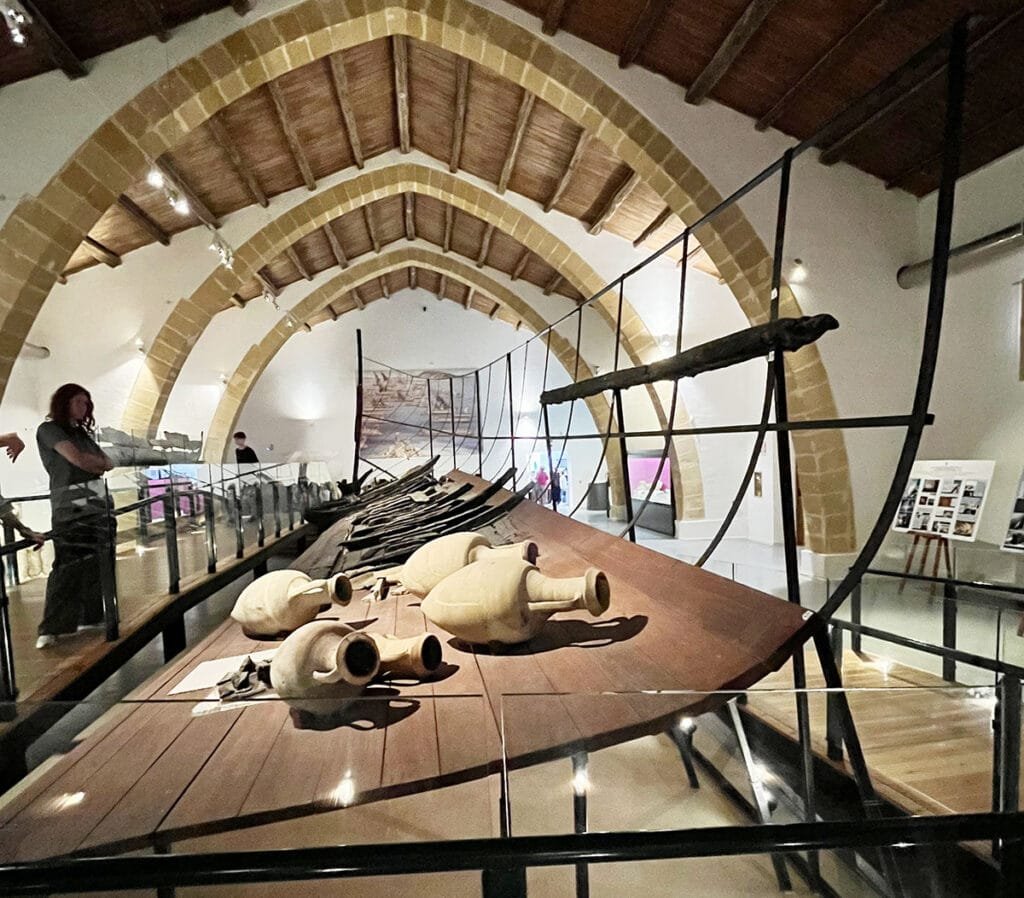
Ultimately, the Phoenicians abandoned Mozia and the island of San Pantaleo. They moved to Lilybaeum, which is today’s Marsala. You can visit the Parco Archeologico di Lilibeo Marsala which includes an incredible museum where you can see Phoenician treasures including a Phoenician Ship. A local man from Marsala discovered the ship in 1969. The museum lovingly restored and reconstructed the ship. The ship is labeled with the Phoenician alphabet.
Planning your trip to Mozia or Mothia
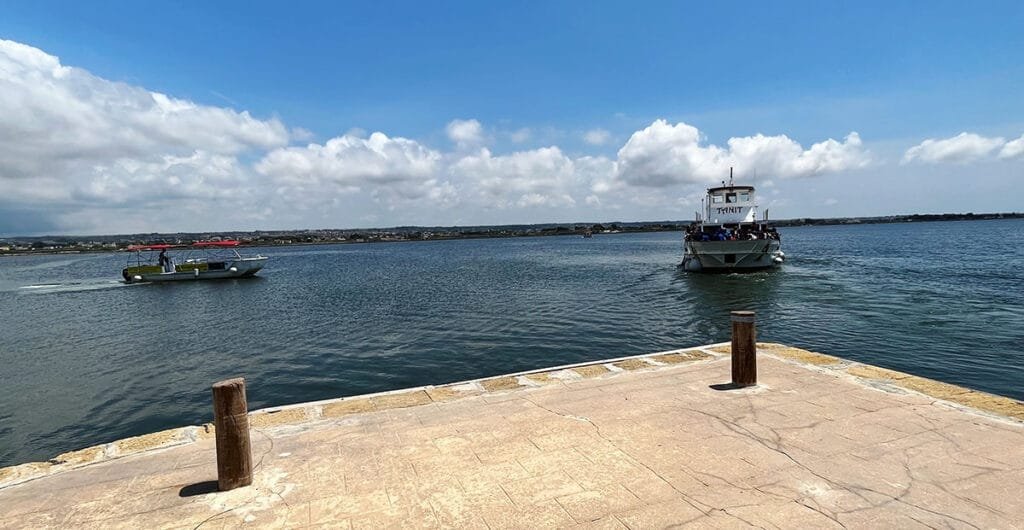
We purchased tickets for the ferry and for the museum on-site. There was a small kiosk at the Saline Ettore e Infersa to purchase ferry tickets. We simply waited for the next ferry. I used the restroom at the adjacent Restaurant Mamma Caura before departing.
The ferry ride was picturesque and it took somewhere between 10 to 15-minutes to cross the Stagnone Lagoon and arrive at the Island of San Pantaleo, which is the home of the Island and Museum of Mozia. I purchased tickets to tour the island museum upon arrival.
Caffe di Delia and More
After touring the island, we needed a break. We ate lunch at the Café on the island. The cafe offered bottle water and other drinks, plus a few different panini, which you can request warm. They sold Sicilian granita if you need something cold to enjoy on a hot day. The granita with aloe juice came highly recommended.
You can bring food to the island. Plus there is plenty of outdoor seating available. Luscious exotic flora that the Whitakers brought to the island surrounds the picnic area.
Restrooms are available in the café building.
How Much Time do I Need to Tour Mozia?
We spent roughly 4-hours touring Mozia. This time includes riding the boat to and from the island of San Pantaleo and eating lunch at the Caffe di Delia on the island.
How to get to Mozia or Mothia?
Bus or Car Service to the Mozia Ferry
I recommend driving to the ferry if you have a car or hiring a car to drop you off and pick you up. There was a large parking lot at the Saline Ettore e Infersa complex where we departed.
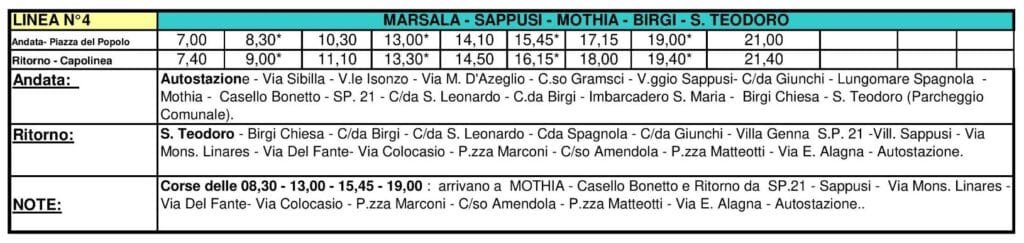
You can also take the #4 bus from Marsala’s bus station in Piazza del Popolo to the Mothia and the Saline Ettore e Infersa complex. Check in person at the bus station to confirm the current time tables. Be sure to be at the bus stop early as buses may run early or late.
Ferry Service to Mozia
A 10 or 15-minute boat ride on a water taxi takes you across the Stagnone Lagoon. The destination is the island of San Pantaleo and the ruins of the Mozia.
There are 2 boat tour operators on the Stagnone Lagoon. There are specific paths that are deep enough for a boat in this shallow lagoon. Only experienced companies operate in these shallow waters. We took the Mozia Line.
Mozia Line
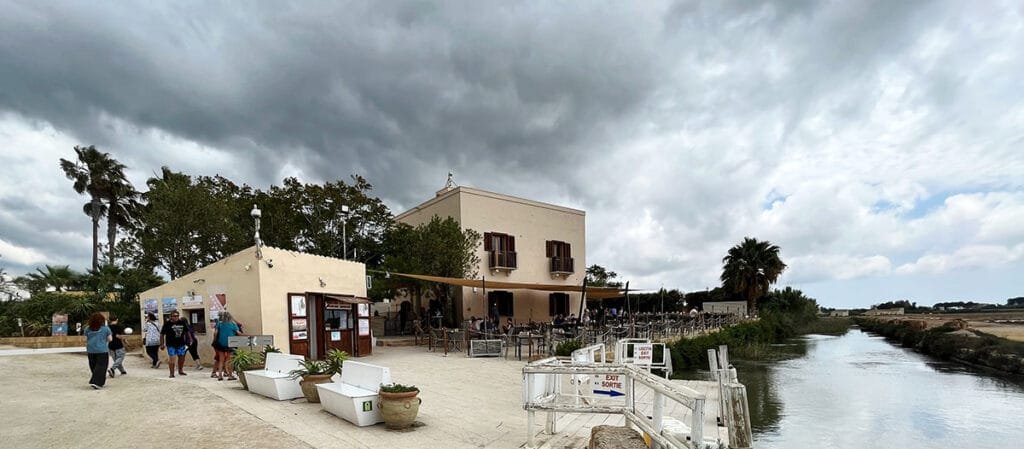
Located at the Saline Ettore e Infersa complex and Restaurant Mamma Caura – reservations recommended especially for a sunset meal.
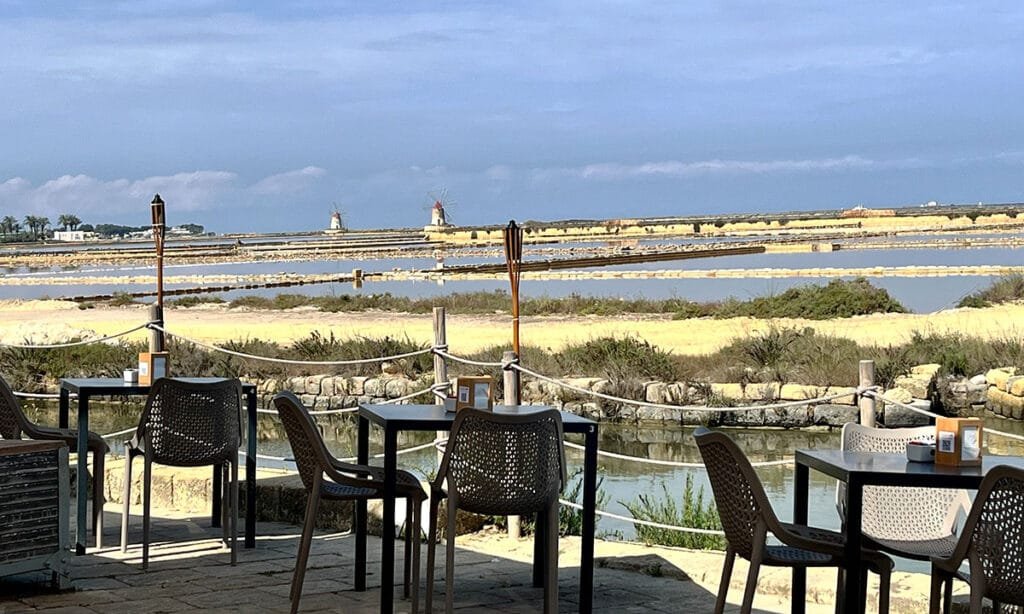
You can simply take a 15-minute water taxi to Mozia, which departs every 30-minutes. You can take a boat tour of the Stagnone Lagoon or to take it up a notch during the summer and enjoy a sunset (tramonto) boat tour of the lagoon. Purchase tickets at the kiosk or purchase online.
Arini e Pulgliese Imbarcadero Storico
Ride the Aquabus across the Stagnone Lagoon. They offer a ferry to Mozia, which departs every 30-minutes, a tour of the Stagnone Lagoon and a Sunset Lagoon Tour from July through September. You can see the timetables and purchase tickets online.
Visiting the Ancient Phoenicians in Mozia
I hope that you found the ancient Phoenicians of Mozia (or Mothia) as fascinating as I did! Let me know if you have been, or are you planning to go to Mozia! Did you learn anything new? Do you have anything to add? Let me know in the comments!
Pin for Later!


You May Also Like