Visiting the Wren’s Nest in Atlanta: A Hidden Gem in the West End
Visiting the Wren’s Nest Atlanta: What to Expect
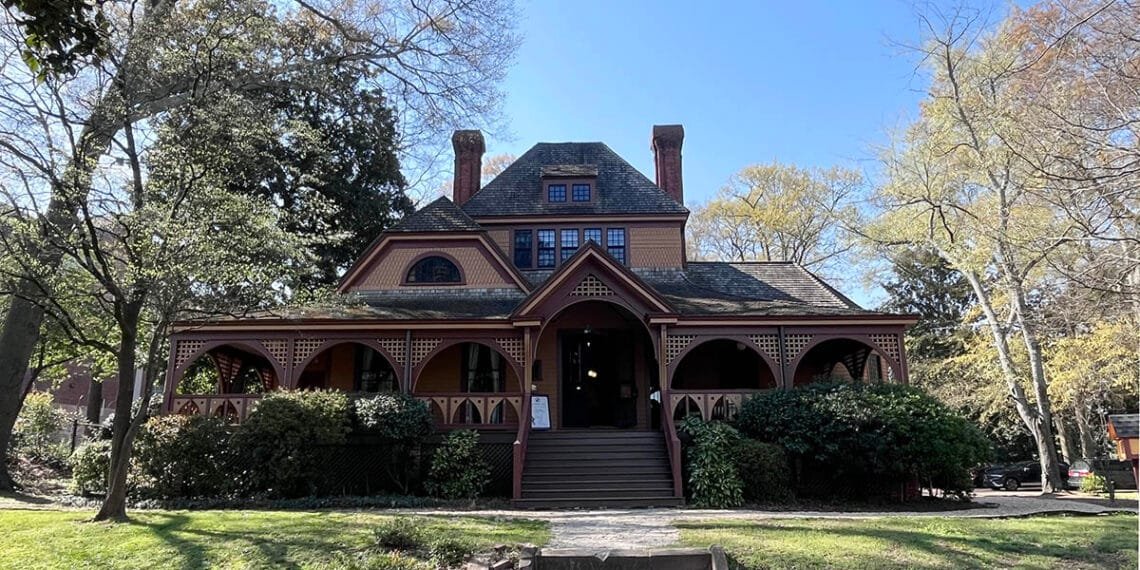
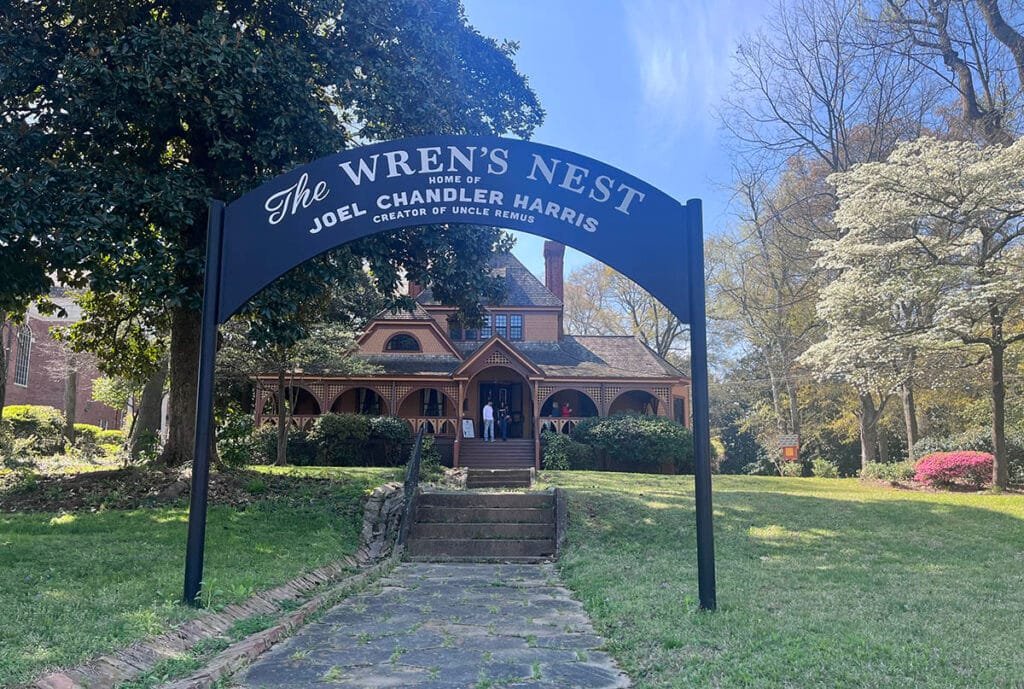
Tucked away in Atlanta’s historic West End, the Wren’s Nest is one of the city’s best-kept secrets. This charming Victorian home isn’t simply a historic house museum. It’s a living storytelling space where the life and complicated legacy of writer Joel Chandler Harris comes alive.
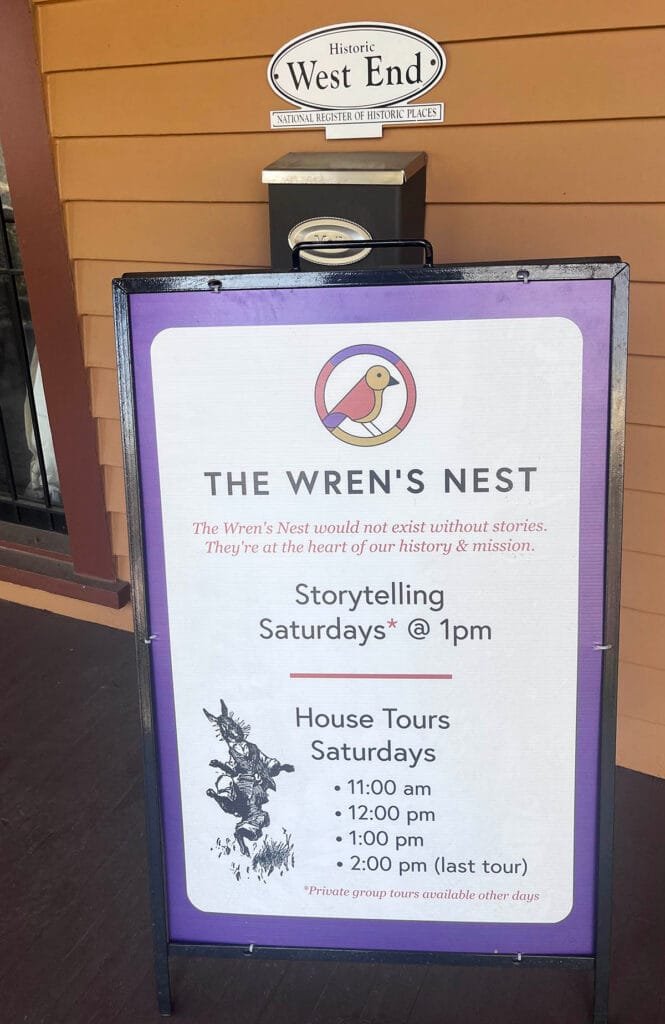
Guided house tours explore Harris’s fascinating personal history. Saturday storytelling sessions highlight African American and Native American folklore; the Wren’s Nest offers a uniquely intimate and culturally rich Atlanta experience. Whether you’re a history buff, a fan of classic literature, or visiting with kids, this hidden gem is a must-see destination for anyone looking to explore the heart of Atlanta beyond the usual tourist spots.
My First Visit to the Wren’s Nest
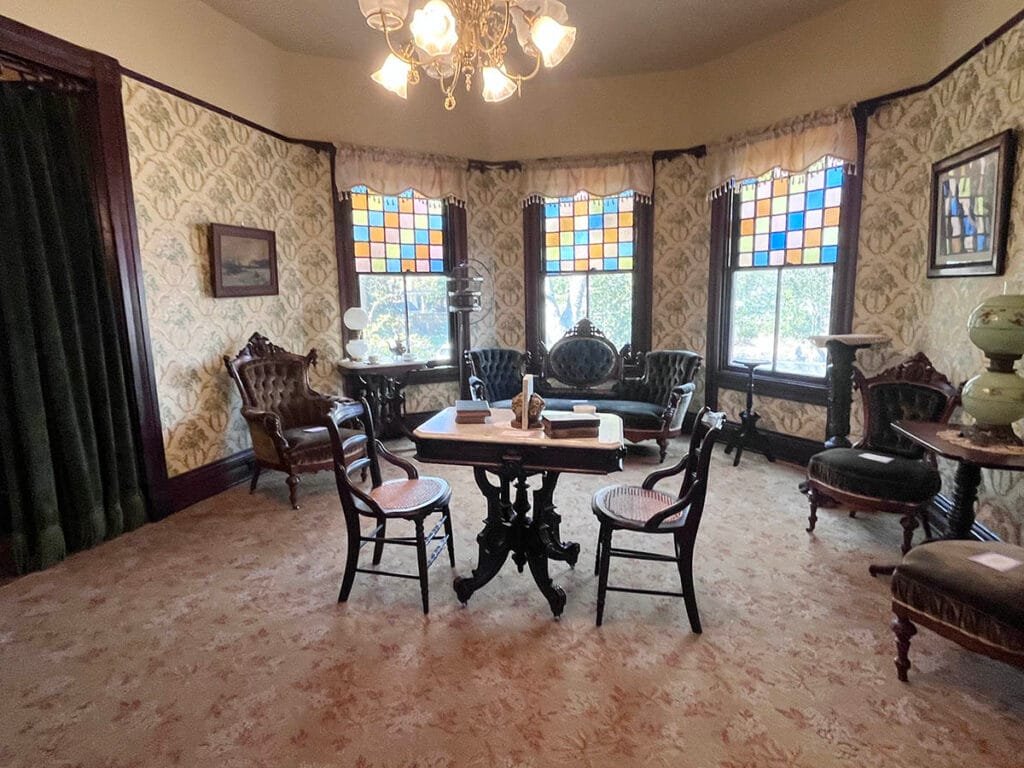
I recently took a guided house tour of the Wren’s Nest. Walking inside the door felt like stepping back in time. On the house tour, I learned about Joel Chandler Harris’s journey from his early life in Eatonton, GA to his rise to fame as the author of the beloved Uncle Remus tales. I also learned about the life he built with his wife, Mary Esther La Rose, here in Atlanta.
Every room in the home tells a story, from the carefully preserved primary bedroom to the Story Room, where paintings of figures like George Terrell highlight the real-life inspirations behind Harris’s characters. I loved discovering the unique stories including the one about the wren who built its nest in the mailbox, giving the house its moniker.
Why I Want to Come Back for Storytelling
One thing I didn’t do but I would love to come back for is the storytelling. The Wren’s Nest is known for its live storytelling performances on Saturdays. After visiting, I understood why that’s the highlight for most people. I want to bring my young nephew back for that experience because I think that he would love it – and I would too!
The Story Behind the Wren’s Nest Name
One of my favorite details from the tour is how the house got its name.
When the family first moved in, a small wren built its nest inside their mailbox. Instead of removing it, they simply added a second mailbox and left the bird alone. They began telling visitors, “You’ll know you’ve arrived when you see the wren’s nest,” and the name stuck.
Who Was Joel Chandler Harris?
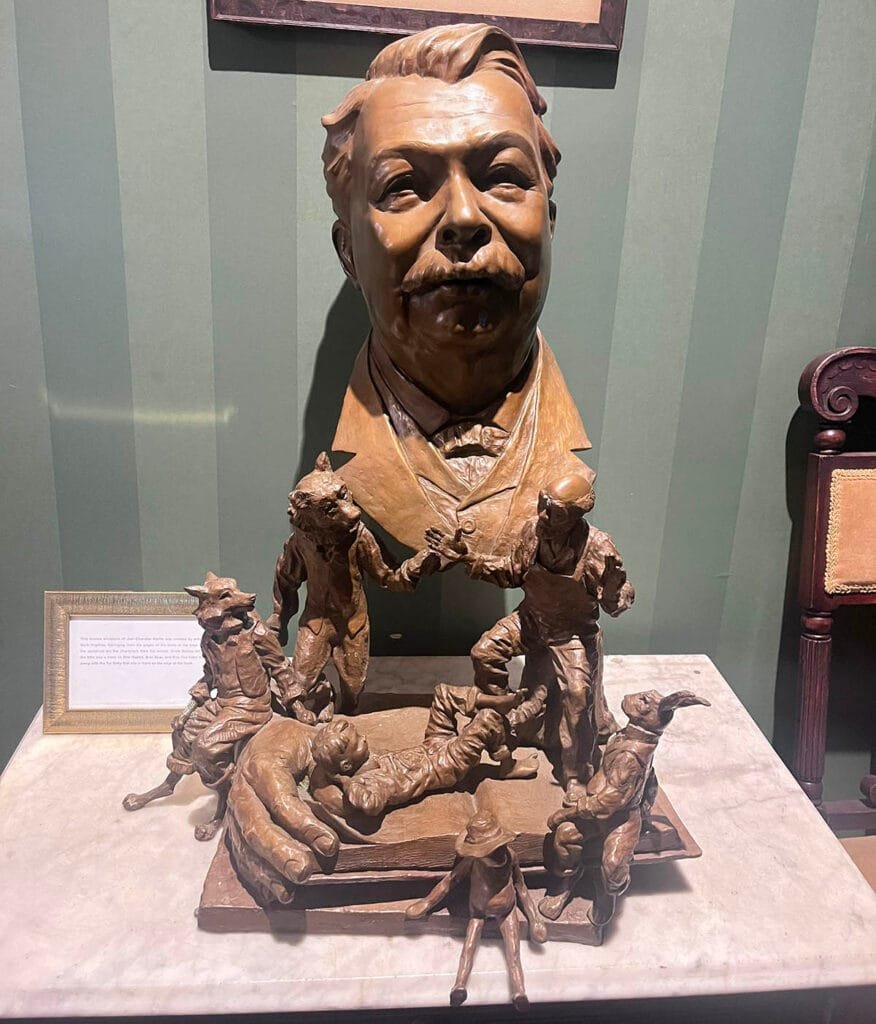
If the name sounds vaguely familiar, it’s because Joel Chandler Harris is best known for writing the Uncle Remus stories – folktales that have roots in African American oral traditions.
But what I found most interesting was learning about his personal life. He was very shy, which is surprising considering how famous he became. He published 35 books and thousands of articles yet preferred to stay out of the spotlight.
His Early Life in Eatonton, Georgia
Harris had a humble and difficult start. His father abandoned his family shortly after Harris was born. His mother Mary Ann Harris returned to the home of her maternal grandmother in Eatonton, GA to raise him.
At just 16 years old, he began working as a printing compositor for the newspaper, The Countryman. He handset type for Joseph Addison Turner’s plantation newspaper. That job opened a new world for the young man.
Learning to Write at Turnwold Plantation
Joseph Addison Turner, the owner of Turnwold Plantation, provided Harris with access to a personal library and encouraged him to write. Harris published poems and book reviews in the newspaper, The Countryman. That early mentorship played a huge role in shaping Harris’s future career.
From Journalist to Literary Celebrity
Harris eventually moved into journalism. He worked for the The Atlanta Constitution, where he contributed to shaping the idea of the “New South.” The turning point for his career was when he took over a popular humor column. This column was already syndicated and had national attention.
The Rise of the Uncle Remus Stories
Harris began writing down African folk stories that he heard while growing up on the plantation in Eatonton, GA. These stories, featuring characters like Br’er Rabbit, became incredibly popular nationwide. A New York editor took note and offered Harris a book deal. Suddenly, this quiet, reserved writer became a literary celebrity.
Harris showed a unique skill for writing in dialect. He was the first author to write anthropomorphic characters. Personified animal characters previously existed in the oral tradition, but Harris was the first author to record them in print.
Famous Connections and Influence
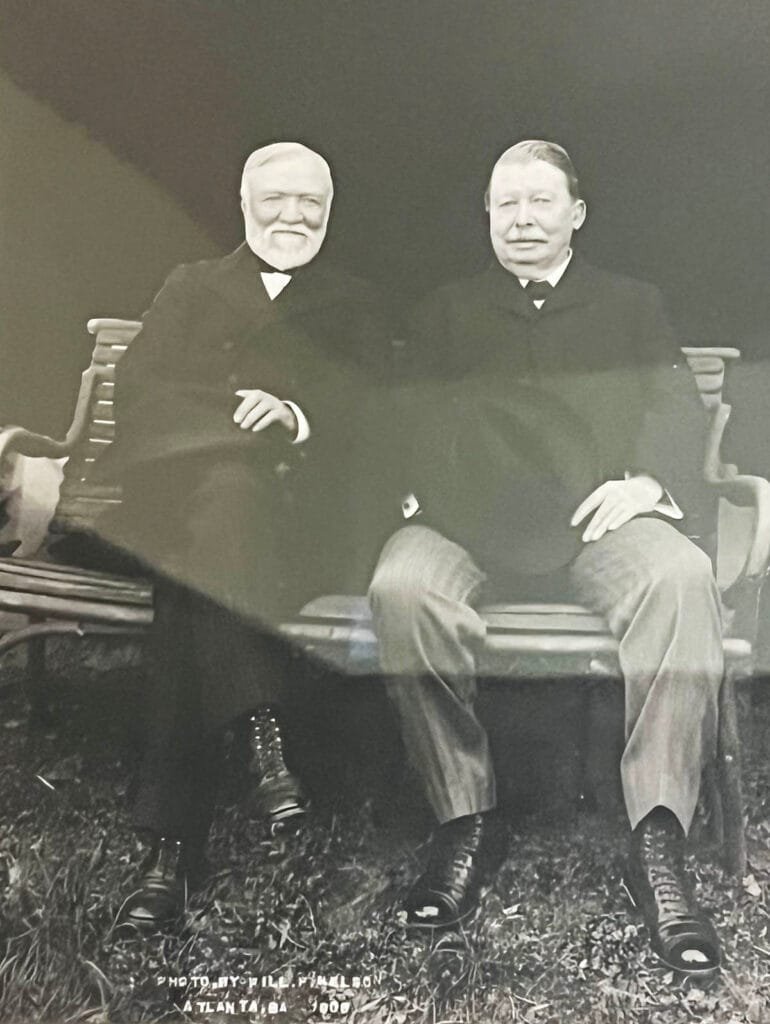
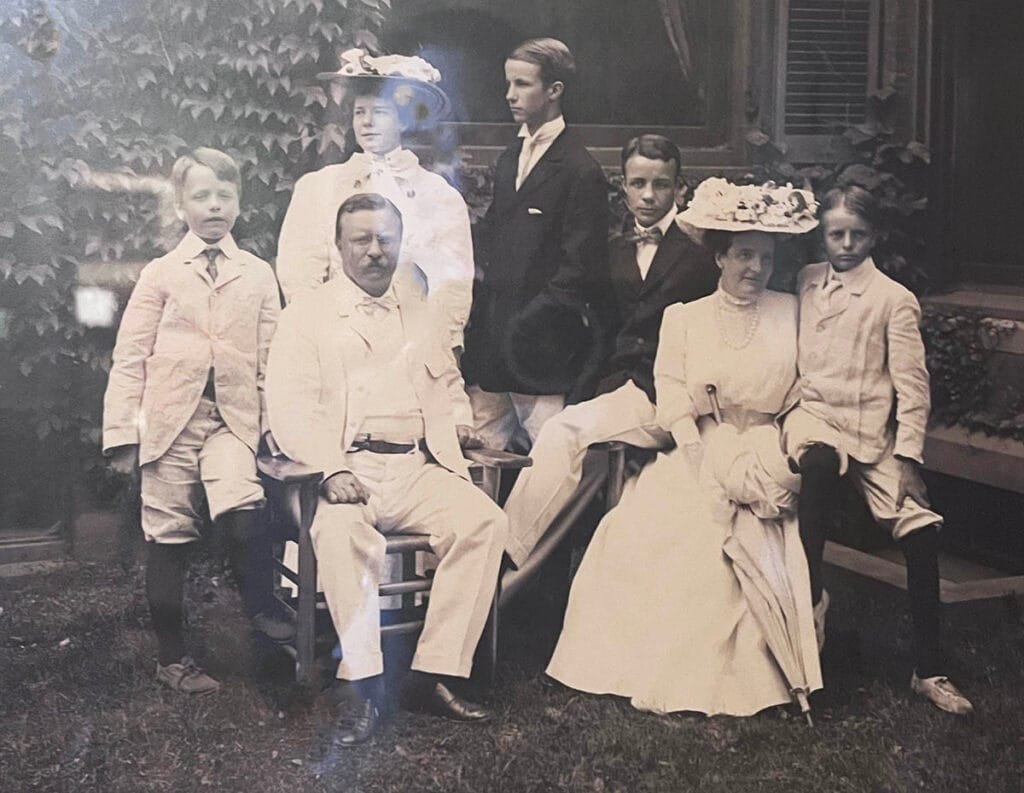
Despite being shy, Harris had some notable connections. He was friends with Theodore Roosevelt, Andrew Carnegie and even traveled with Mark Twain on book tours.
His influence stretched far beyond his own work. His storytelling style and anthropomorphic characters inspired Walt Disney to create Mickey Mouse. Gone with the Wind author Margaret Mitchell said that she grew up reading the Tales of Uncle Remus and that Harris inspired her to become a writer.
However, Harris also had some critics. The most notable of which is the African American author Alice Walker who also grew up in Eatonton, GA. The Disney film, Song of the South, which is based on Harris’s Tales of Uncle Remus, is considered so controversial and racist that Disney locked it up in the vault.
The Life Harris Built in Atlanta
After leaving Savannah due to a yellow fever outbreak, Harris and his family settled in Atlanta. They purchased the property that is today known as the Wren’s Nest in 1881.
The Harris family moved into the remote farmhouse, which was built around 1870. Under Mrs. Harris’s direction, the house was expanded and renovated into the Queen Anne Victorian-style house you see today.
His Wife, Mary Esther La Rose
One of the most interesting parts of the Wren’s Nest tour was learning about Harris’s wife, Esther. She was French Canadian, and it was clear to me that she was powerhouse behind the scenes. Esther managed Harris’s career, including answering his fan mail. She played a major role in shaping the family’s home life. Esther sold the rights to her husband’s work to the Walt Disney Company after his death.
Faith and Community Impact
Esther was deeply devoted to her Catholic faith. After growing tired of walking six miles to church every Sunday, she and Harris helped fund the construction of St. Anthony of Padua Catholic Church nearby.
A fun detail: leftover stained glass from the church was added to the windows in the front parlor of the Wren’s Nest.
Stories Behind the Stories: Uncle Remus and Real-Life Inspiration
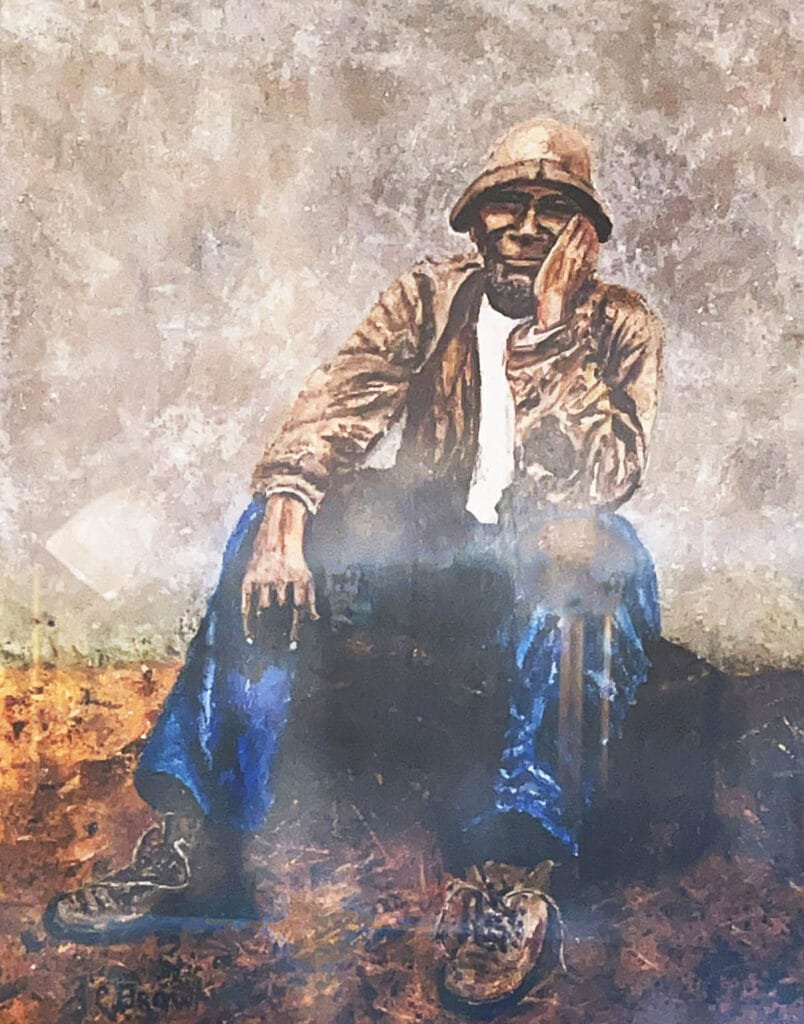
In the Story Room at the Wren’s Nest, there is a painting of George Terrell. He is one of several real-life figures who inspired the Uncle Remus character. The museum does a thoughtful job of explaining that these stories didn’t originate with Harris. They come from African and African American oral traditions. The museum does not shy away from its complicated history.
Touring the Wren’s Nest Today
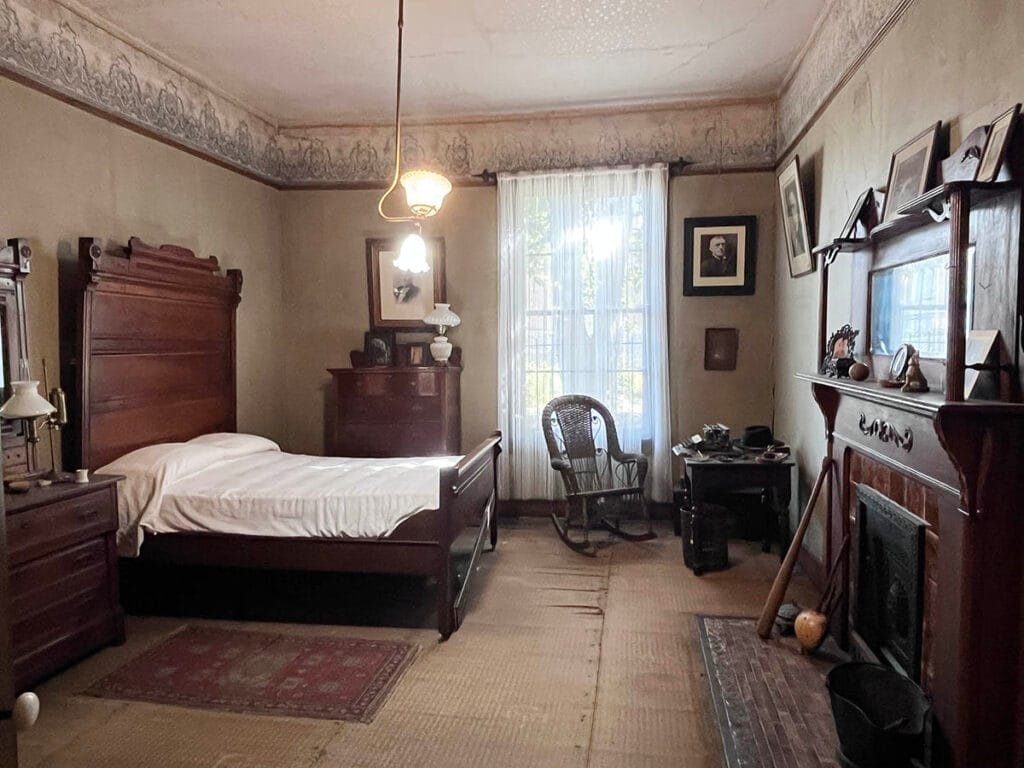
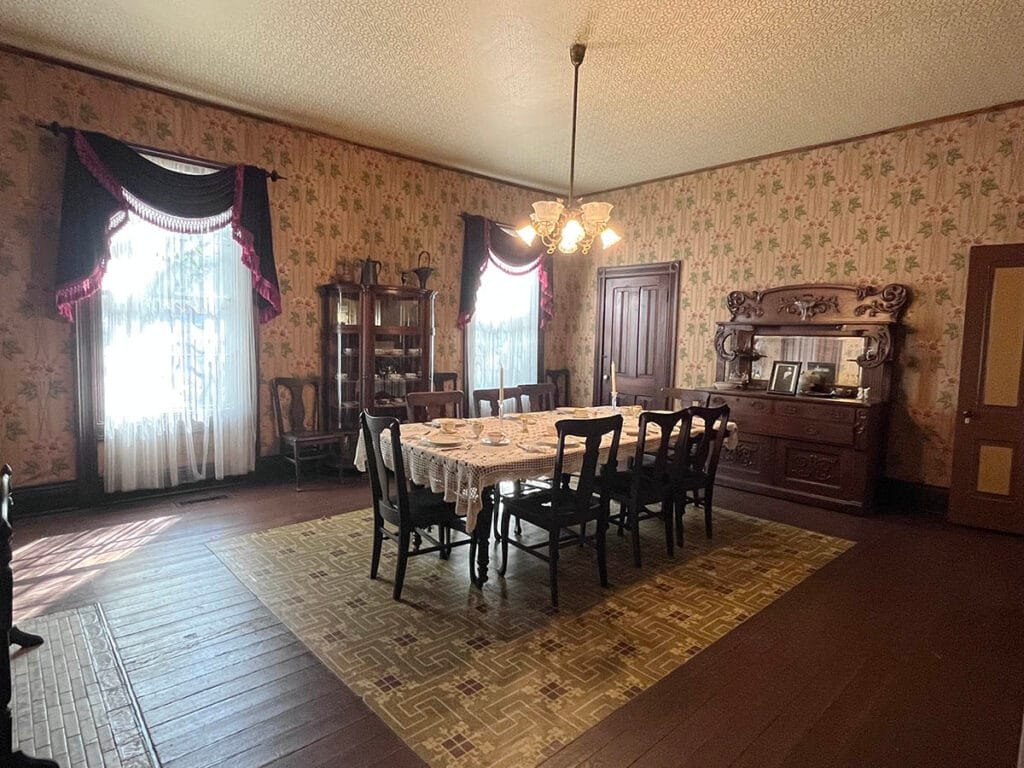
The house itself is beautifully preserved, and it contains the Harris family’s original furnishings. One detail that stood out to me is that Joel and Esther’s bedroom remains untouched. Staff are allowed to dust, but they cannot move anything. The room is frozen in time.
From Private Home to Museum
After Harris’s death, his friend Andrew Carnegie donated funds to preserve the home. Initially the house became a library, but then a Carnegie library was built nearby so the house transitioned into a museum. The Wren’s Nest is the oldest house museum in Atlanta.
The Storytelling Tradition Today
One of the most meaningful functions of the Wren’s Nest today is its commitment to storytelling. Every Saturday, storytellers share folktales rooted in African American and Native American traditions, keeping oral storytelling alive in its original form.
The Impact of Akbar Imhotep
A major part of this evolution is thanks to storyteller Akbar Imhotep. He helped transform the Wren’s Nest into a culturally inclusive space focused on honoring the origins of the stories that made Harris famous.
The stories featured during Storytime change regularly, so if you visit more than once, you’ll hear something new!
Is the Wren’s Nest Worth Visiting?
If you like storytelling, history, or culture, you’ll probably love the Wren’s Nest. If you want something fast-paced or showy then you might be underwhelmed.
What People Love
- The Wren’s Nest is unique – there’s nothing else quite like it in Atlanta
- The storytelling is interactive, engaging and memorable for children and adults
- The history is personal – it feels like stepping back in time
- It has that “hidden gem” energy
Things to Keep in Mind
- It’s a small space – you won’t spend hours here
- The experience is much richer if you include a storytelling performance
It’s best for people who enjoy history and culture
Tips for Visiting the Wren’s Nest
- Go on Saturday for storytelling
- Pair it with exploring the West End, the Atlanta Beltline or Hammonds House Museum
- Great for families – especially with kids who enjoy stories
- Plan for a visit that is an hour or less
Why the Wren’s Nest Should Be on Your Atlanta Itinerary
Visiting the Wren’s Nest is like stepping into a storybook of Atlanta’s past. From learning about Joel Chandler Harris’s remarkable life and friendship with people like Theodore Roosevelt and Mark Twain, to seeing the home’s preserved Victorian charm. Attending a live storytelling session is an experience that connects history, literature, and culture in a personal way. Whether you’re a local or visiting the city, the Wren’s Nest offers a unique lens into Atlanta’s rich cultural history and the enduring power of storytelling.
So, if you’re looking for something different to do in Atlanta, especially if you enjoy history, literature, or family-friendly cultural experiences, then be sure to add the Wren’s Nest to your list. To plan your visit, check their calendar for storytelling sessions or camps, and see for yourself why this hidden gem continues to captivate visitors of all ages. You won’t just leave with a tour; you’ll leave with stories that stick with you long after you go.
Wren’s Nest FAQs
Is the Wren’s Nest Atlanta worth visiting?
Yes, especially if you enjoy history, storytelling, or discovering places that are off the beaten path. The Wren’s Nest is a small, historic home where you can connect with Atlanta’s past. I took the house tour and loved learning about the family and the stories behind the home.
That said, I recommend that you plan your visit around the storytelling hour. The stories are what really makes this place special, and I’m already planning to go back for that.
What can you do at the Wren’s Nest?
On Saturdays, the Wren’s Nest offers a storytelling performance, where storytellers share folktales rooted in African American and Native American traditions. This will be the highlight of your visit.
The main thing to do is take a guided tour of the historic home, which was once owned by Joel Chandler Harris.
During the tour, you’ll learn about his life, his writing, and how the house evolved over time. There are also a lot of interesting personal details that make the experience feel more like a story than a history lesson.
Is the Wren’s Nest good for kids?
Yes, I think kids would especially enjoy the storytelling performance. The live storytelling is interactive and engaging, and it’s a great way to introduce them to folklore and oral traditions in a way that holds their attention.
The house tour itself is interesting if you are into history, but children will probably find it boring. So, if you’re visiting with kids, you should aim for a Saturday and make the storytelling part of your visit.
Is Parking Available at the Wren’s Nest?
Yes, parking is available on the property. The driveway is on the right side of the house. Park towards the rear of the house on the right side.


You May Also Like

Best Things to Do in Atlanta with Kids (Ages 5-11)

How to Spend One Day in Atlanta: Itinerary from a Local