Atlanta: Cabbagetown Neighborhood Guide
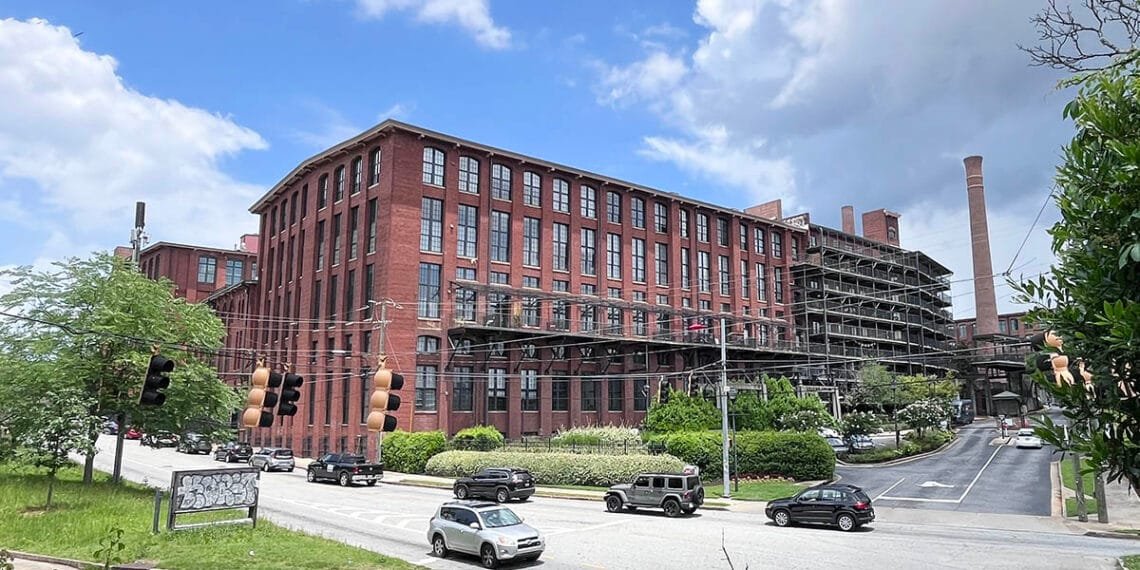
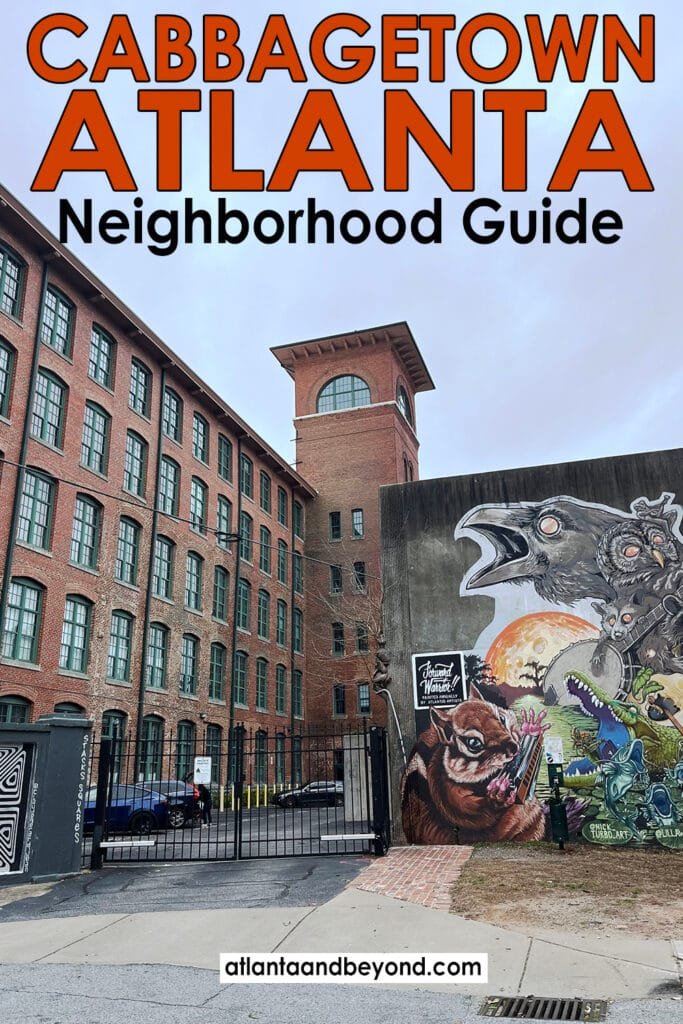
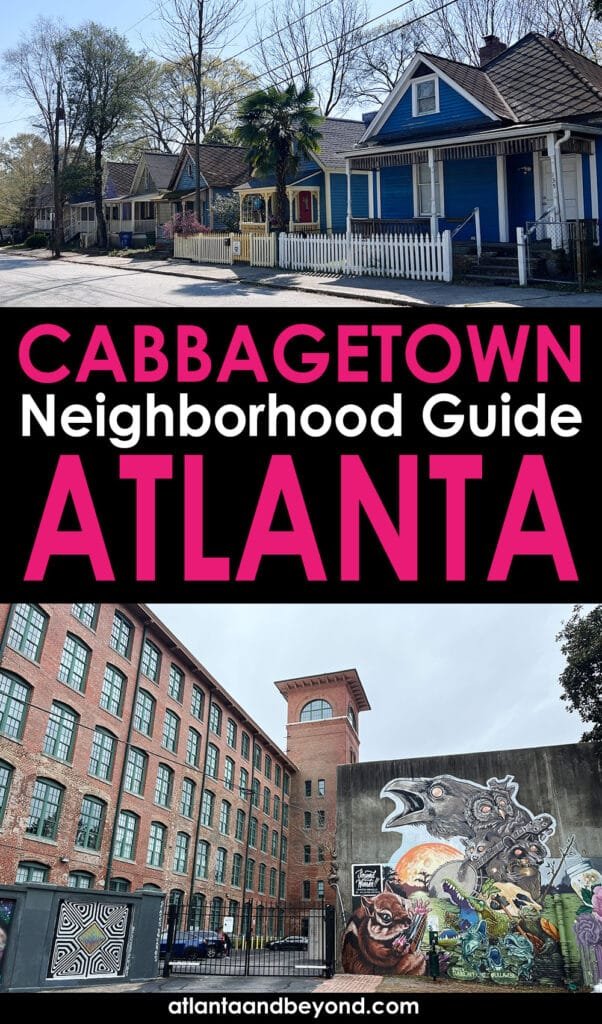
The Cabbagetown neighborhood is a historic mill village in the heart of Atlanta. The neighborhood has 2 distinct sections: the Fulton Bag and Cotton Mill and the original housing for the mill’s employees. The mill buildings were converted into fantastic urban lofts in the 1990s. Fulton Cotton Mill Lofts is a gated community made up of for sale condos and apartments available for rent. Quirky mill village housing makes up the bulk of the neighborhood. Single family homes, duplexes, and small apartment buildings nestle closely together lining the neighborhood’s narrow streets.
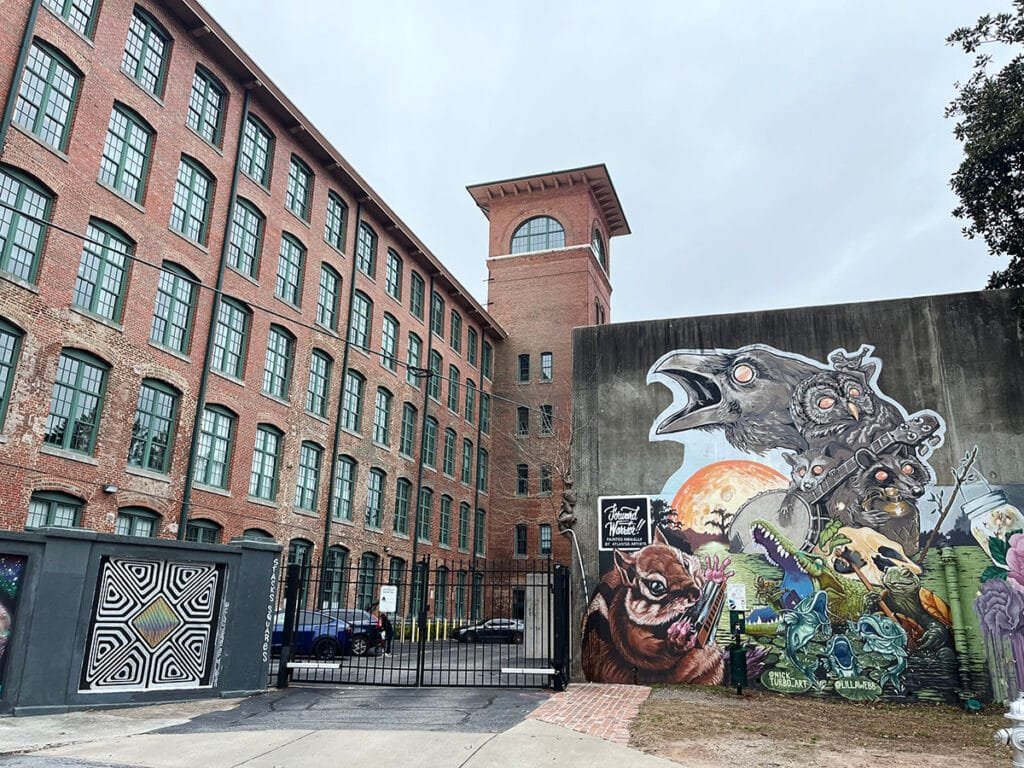
Cabbagetown is located centrally, just north of I-20 and east of downtown Atlanta and Oakland Cemetery. It is easily accessible from the Downtown Connector (I-75/I-85) and I-20.
History of Atlanta’s Cabbagetown
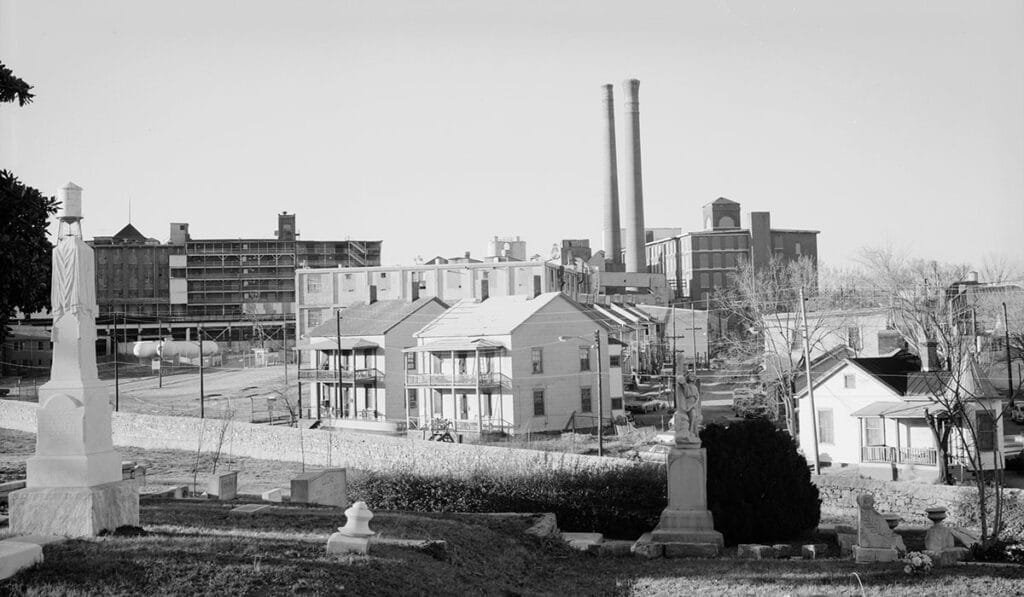
The Atlanta Rolling Mill, located adjacent to Oakland Cemetery, was destroyed in the Civil War during the Battle of Atlanta. Jacob Elsas – who is buried in the Jewish section of Oakland Cemetery – selected this location to build the Fulton Bag and Cotton Mill in 1881. He built simple shotgun houses and duplexes east of the textile mill to house his workforce. The mill village provided everything that the residents needed including healthcare, a library, day care services, a general store and more. Elsas recruited poor, white sharecroppers from Appalachia to work in the mill. Every person in each family worked at the mill – including children.
The environment created an insulated and tightknit community. The mill flourished until 1957, when the Elsas family sold the property. At that point, mill housing was sold to the occupants. If the residents passed on the opportunity to purchase their home, then it was sold on the open market. The mill endured a period of decline until it permanently closed in 1978.
In the 1980s, local artists began moving to the Cabbagetown neighborhood. In 1995, developers purchased the mill buildings and began the process to convert them into the residential lofts that we know today.
The U.S. National Register of Historic Places lists Atlanta’s Cabbagetown neighborhood as a neighborhood historic district.
How did Cabbagetown get its Name?

No one knows exactly how this Atlanta neighborhood came to be called Cabbagetown, but there are a few stories out there. The first is that produce vendors, who peddled their carts through the neighborhood, found that cabbages sold better than anything else. The story continues explaining that these vendors began taking carts filled solely with cabbage to Cabbagetown.
Another story suggests that the mill workers, who were transplants from Appalachia, loved cabbage so much that you could smell it cooking throughout the neighborhood. The story that I heard suggested that the houses were so close together that you could smell your neighbor’s cabbage cooking.
A third story tells the tale of a derailed train or an overturned automobile that lost its load of cabbages. The vegetables were promptly scooped up by the mill workers. Any way you slice it; cabbages must have been popular with the mill village residents!
Atlanta’s Cabbagetown Today
Today artists, professionals, singles, couples and young families make this quirky Atlanta intown neighborhood their home. Look for the Forward Warrior Mural Project on Tennelle and Wylie Streets. These roads flank the Krog Street Tunnel, which is Atlanta’s most famous location for street art.
Atlanta’s Cabbagetown’s Restaurants and Retail
Carroll Street Corridor
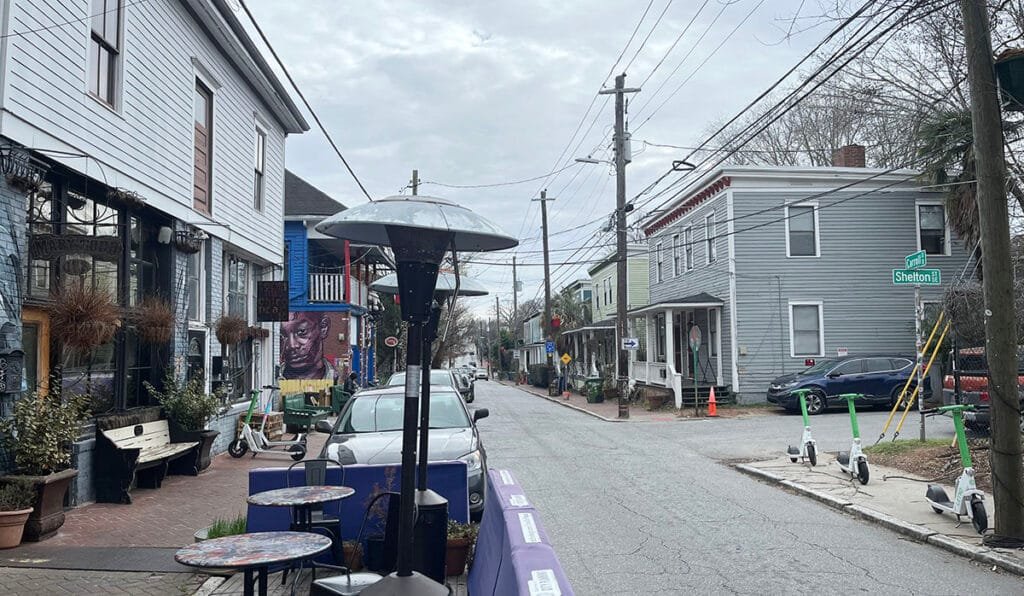
Carroll Street is Cabbagetown’s main retail district. It stands between the Fulton Cotton Mill Lofts and the rest of the neighborhood. Shops and restaurants line most of the street. A fun fact about Carroll Street is that it has 2-way traffic, but with parking, it is closer to the size of a one-way street. I recommend parking on a side street and walking to Carroll Street.
- Caroll Street Café – perfect for a date night or get together with friends
- Little’s Food Store – home of one of the best burgers in Atlanta – we typically call ahead and order for pick up
- JenChan’s – delicious fusion cusine
- Milltown Arms Tavern – bar
Scattered Retail
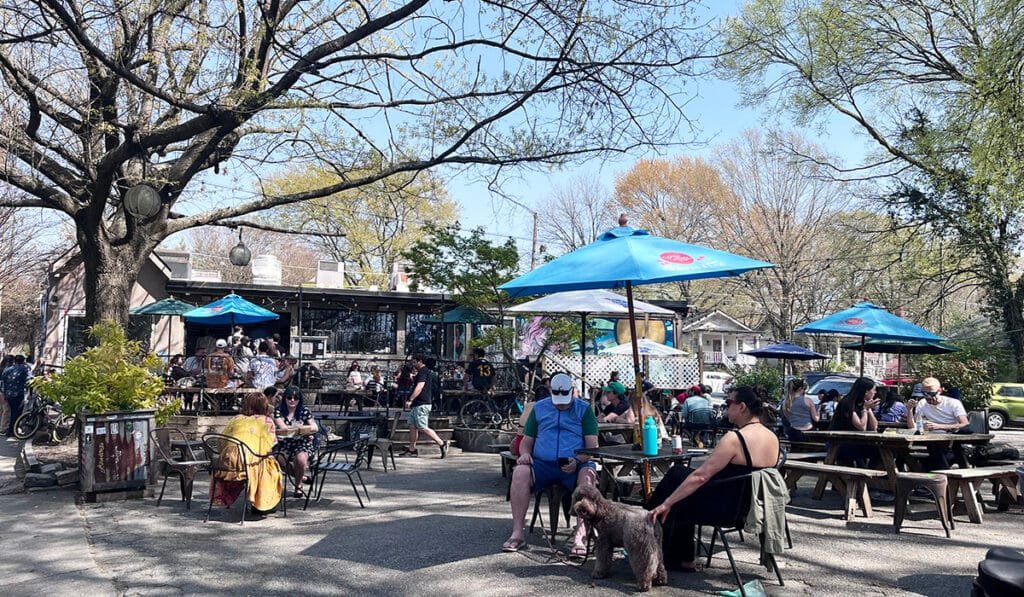
These restaurants and shops are scattered throughout the neighborhood:
- Petit Chou – know for breakfast and lunch – has a small parking lot
- Sweet Cheats – bakery that sells coffee, breakfast pastries, sandwiches and treats
- 97 Estoria – bar near the Krog Street Tunnel with outdoor patio
Cabbagetown’s Greenspaces
Cabbagetown Park
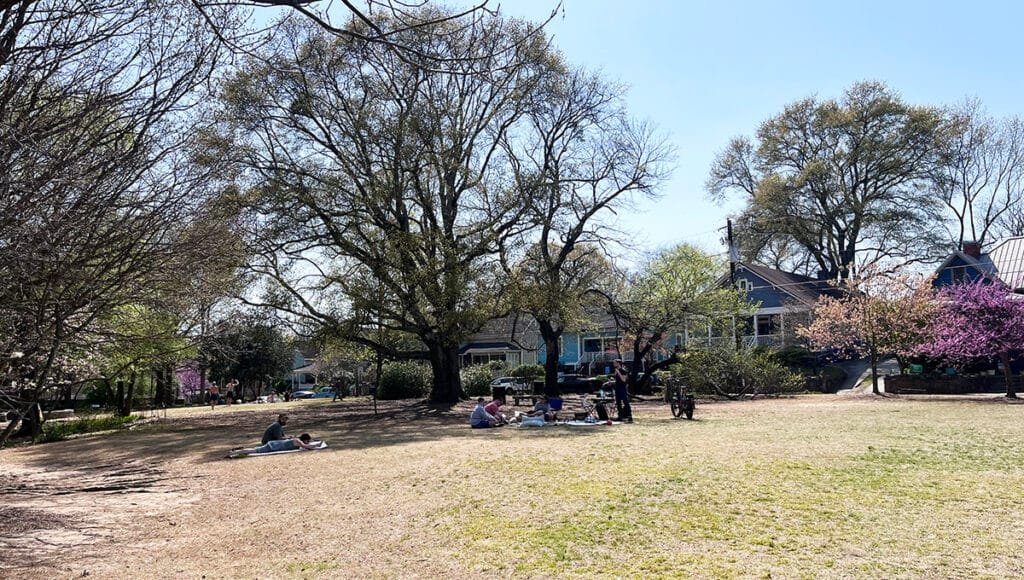
This green space sits at the center of the neighborhood. The community rallied together to make the site of an abandoned elementary school into Cabbagetown Park. The park was created based on a master plan with input from the neighbors. It is a wonderful space for a picnic or enjoying the outdoors. The park includes a playground plus Brookshire Amphitheater is built into the hillside. The annual Chomp and Stomp Chili Festival takes place here.
Esther Peachy Lefevre Park
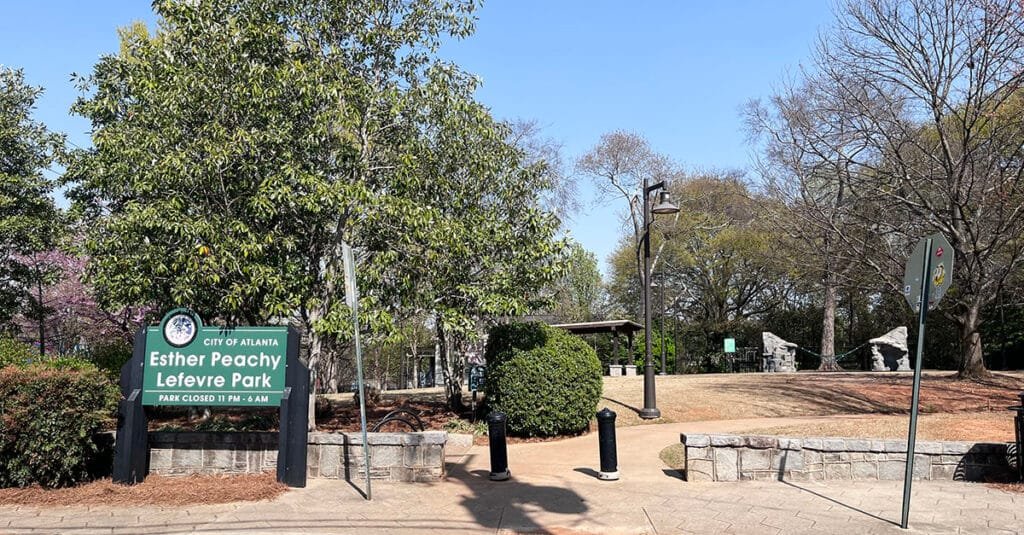
This pocket park is on the corner of Powell and Wylie Streets. It is a nice green space with a covered picnic table plus you can enjoy an excellent view of the Forward Warrior Murals on Wylie Street. The small playground includes swings and jungle gyms for climbing.
Cabbagetown Community Garden
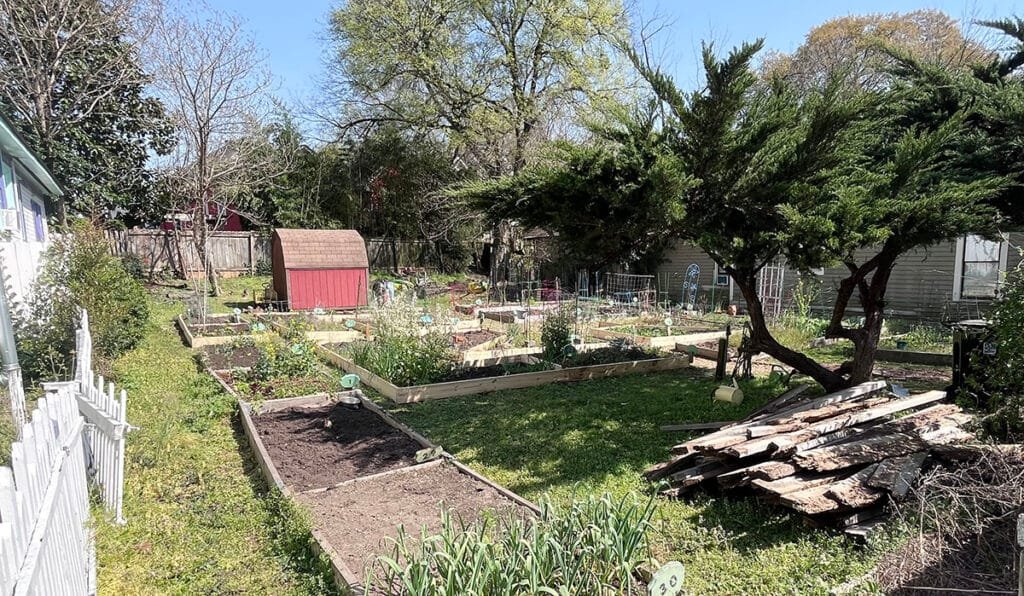
The neighborhood community garden sits on a plot of land that the city owns. Neighborhood volunteers created the space that you see today. The garden has over 32 plots available for neighbors to adopt.
Atlanta Beltline Eastside Trail
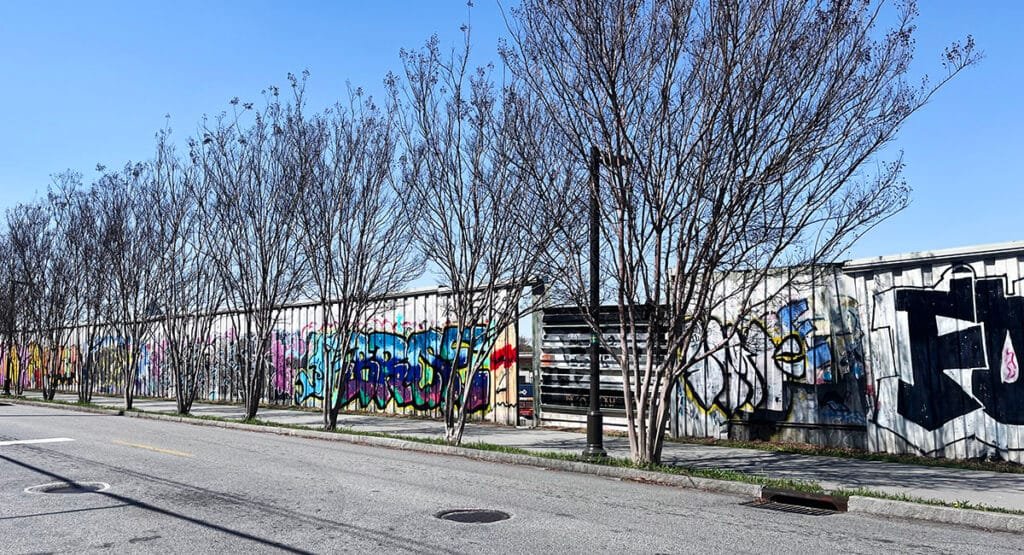
The Beltline runs south from Inman Park through the Krog Tunnel. As the Beltline enters Cabbagetown, it takes a sharp turn to run along Wylie Street and its Forward Warrior Mural Project. The path continues south through the Reynoldstown neighborhood.
Arts & Culture in Atlanta’s Cabbagetown
Krog Street Tunnel
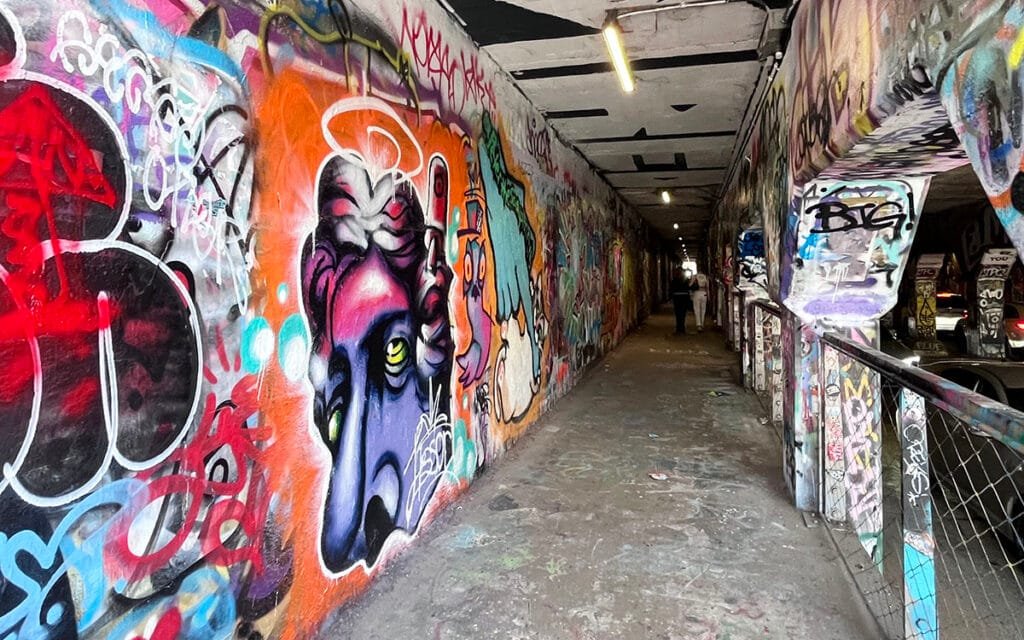
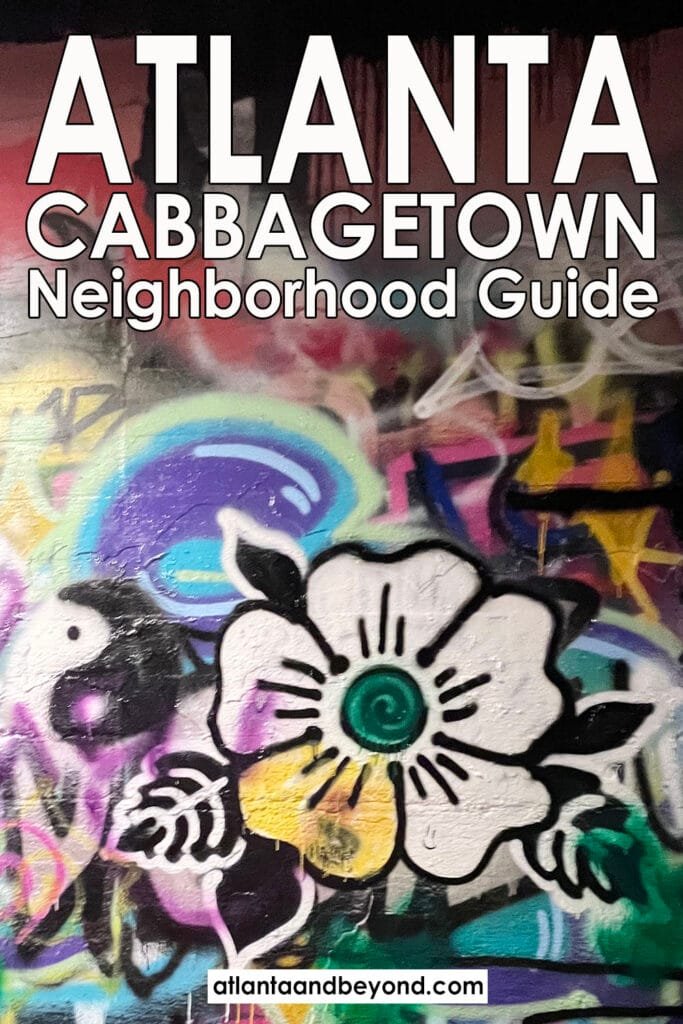
The Krog Street Tunnel connects the Cabbagetown neighborhood to Inman Park. The tunnel was built underneath the train tracks at CSX’s Hulsey Yard in 1912. Initially, graffiti in in the tunnel upset adjacent neighborhood residents. However, by the early 2000s, graffiti took on new meaning. The art in the tunnel elevated from simple tags to street art. Today, the Krog Street Tunnel is known as the center of street art in Atlanta. Many young artists who began painting in the tunnel developed into professionals.
Today the Atlanta Beltline routes directly through the Krog Street Tunnel. The art in this street gallery changes frequently. So, each time you visit the tunnel, expect to see new artwork. The tunnel is free to visit. The Forward Warrior Project grew out of the tradition of street art in Krog Street Tunnel.
Forward Warrior Mural Project
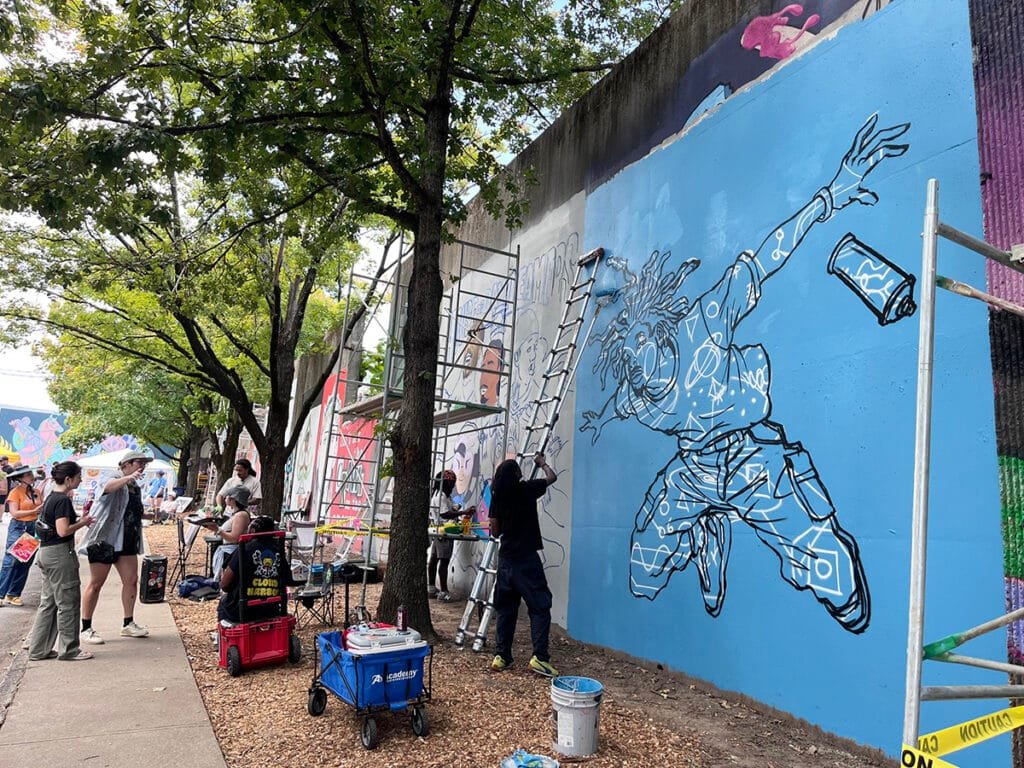
Forward Warrior is an annual mural festival that has installed over half a mile of public murals in Cabbagetown. The September festival is the brainchild of Atlanta artist Peter Ferrari. Initially, Cabbagetown’s goal was to fight graffiti on the walls running along Wylie Street. Artists painted murals on the wall to beautify the neighborhood. The project grew into a yearly festival. Ferrari invites muralists from across the southeast to share their talents with the neighborhood as part of the Forward Warrior Mural Festival.
More information on the Forward Warrior Festival can be found on their social media platforms:
Cabbagetown Tours
- Atlanta Street Art Map has an illustrated Free Walking Tour of Cabbagetown’s Street Art.
- Book a Street Art Tour with Forward Warrior
- Book a Historic Walking Tour of Cabbagetown with the Patch Works Art & History Center
Signature Cabbagetown Events
Chomp & Stomp Chili Cookoff
Cabbagetown’s Chomp & Stomp bluegrass and chili festival is the neighborhood’s most popular event. This fall festival takes place every November centered in Cabbagetown Park. Funds from the festival go to maintaining green spaces in the neighborhood. Listen to bluegrass music at stages across the neighborhood as you enjoy your chili.
Cabbagetown Tour of Homes
The tour of homes happens each September in conjunction with the Forward Warrior Mural Festival. This tour provides you with a once-a-year opportunity to visit their gardens and interiors of Cabbagetown homes. Residents open their homes to visitors on their self-guided tour. Each home is quirky and unique!
Cabbagetown Bake Sale
Gather with neighbors for the Cabbagetown Bake Sale in April to enjoy sweet treats, a witchy market, and music in Esther Peachy Lefrevre Park.
Cabbagetown Concert Series
The neighborhood hosts free concerts as part of the Cabbagetown Concert Series throughout the year at the Brookshire Amphitheatre in Cabbagetown Park.
How to Get to Atlanta’s Cabbagetown
Driving
It is easily accessible from the Downtown Connector (I-75/I-85) and I-20.
The best way to get to Cabbagetown is to drive. It is easily accessible from the Downtown Connector (I-75/I-85) and I-20. Street parking is available, but don’t expect it to be plentiful – especially along Carroll Street. Your best bet is to park a few blocks away from Carroll Street and walk to the restaurant or business you want to visit.
Ride Share: Uber or Lyft
Give your driver a specific address in Cabbagetown. Taking a ride share means that you don’t have to worry about parking!
Public Transportation: MARTA
The Atlanta Beltline
Walk, jog or bike on the Atlanta Beltline right to Cabbagetown! The Cabbagetown neighborhood is just west of Reynolds town and south and west of the Krog Street Tunnel.
Visiting? Places to Stay in Atlanta’s Cabbagetown
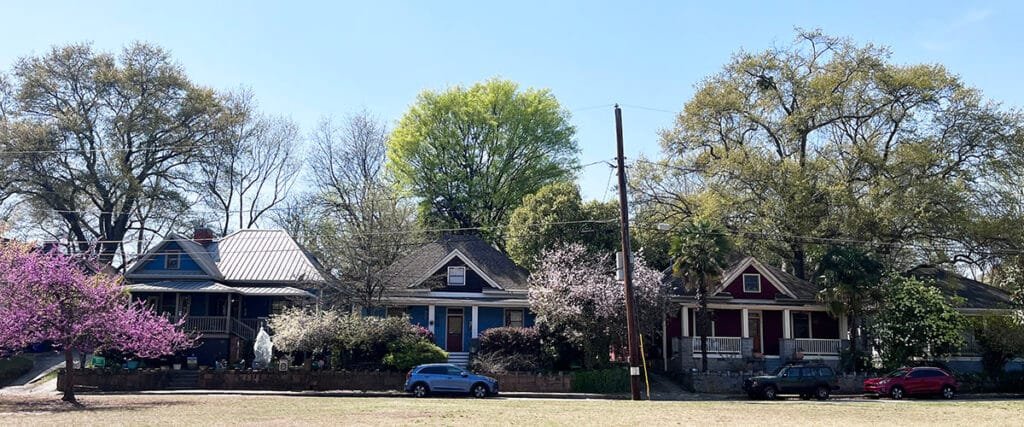
Cabbagtown is not home to hotels or bed and breakfasts, however, there are several vacation rentals available in the neighborhood. This neighborhood makes an excellent home base if you visit Atlanta. Learn everything you need to know about Booking a Vacation Rental in Cabbagetown such as AirBnB or VRBO.
Hanging out in Atlanta’s Cabbagetown
Cabbagetown is a fun neighborhood to hang out in. I recommend that you come for a meal and spend some time exploring this quirky neighborhood on foot. From the Krog Street Tunnel to Carroll Street, Cabbagetown has a charming artistic do-it-yourself personality that you must explore on foot.
Have you spent time in Cabbagetown or are you planning to visit? Let me know your favorite neighborhood spots in the comments!
Pin for Later!


You May Also Like

More Fun Things to do in Atlanta with Little Kids
Atlanta’s Midtown: Neighborhood Guide