Atlanta the Transportation Hub: Planes, Trains and Automobiles
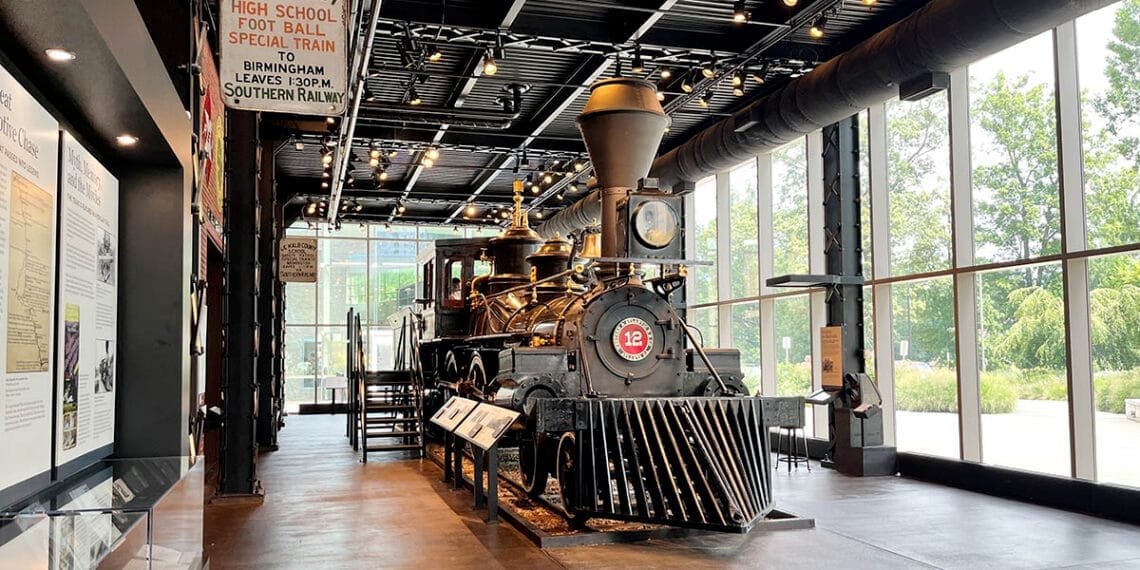
Atlanta, the major US city started as the end point of the Western & Atlantic Railroad. The city’s name is a derivation of the railroad’s name. Hartsfield Jackson Atlanta International Airport began 100-year-ago as Candler Field. It has since grown into the busiest airport in the world based on passenger traffic. Today, you can’t think of Atlanta without considering its traffic. Atlanta built its first freeway in 1949 and the city has never looked back. Today three major interstates cut through the heart of the city: I-75/I-85 and I-20. From planes, trains to automobiles, how do you prefer to get around Atlanta?
The Founding of Atlanta
A railroad hub founded in 1837 grew into the city we know today as Atlanta. The town grew around the starting point for the Western & Atlantic Railroad. This railroad connected this “Terminus” to Chattanooga. Governor Wilson Lumpkin named the town Marthasville after his daughter in 1843.
New railroads continued to connect to Marthasville from all directions. Where did the name Atlanta come from? I heard a story that the name Marthasville was too long to fit on the train schedule. A railroad employee made up the name Atlanta to make it easier to fill out the schedule. The Atlanta History Center confirms a version of this story. It states “Georgia Railroad superintendent Richard Peters began calling his station office Atlanta – the feminine form of ‘Atlantic.’ The city officially adopted the name in 1847.”
Atlanta: the Railroad Hub
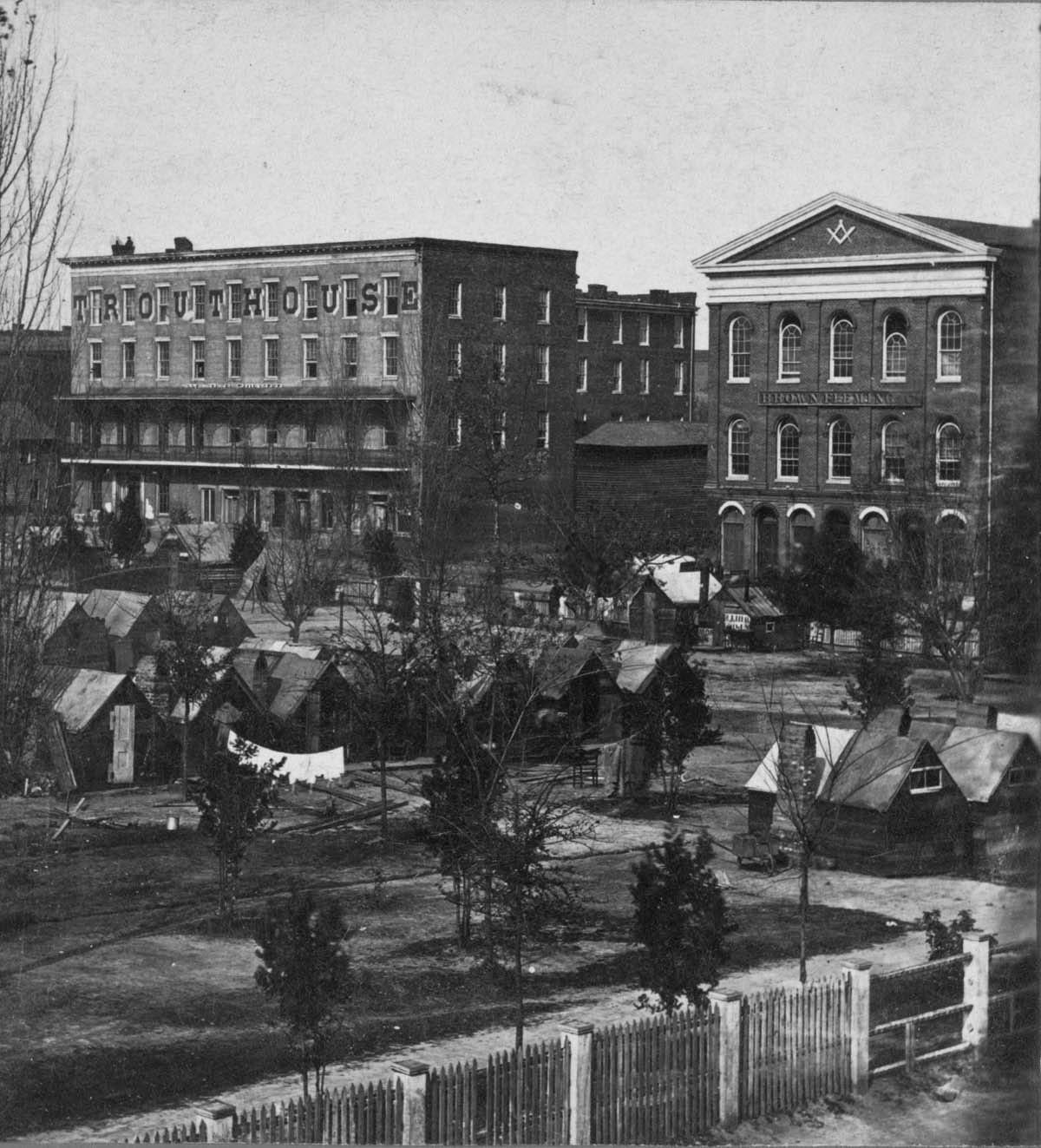
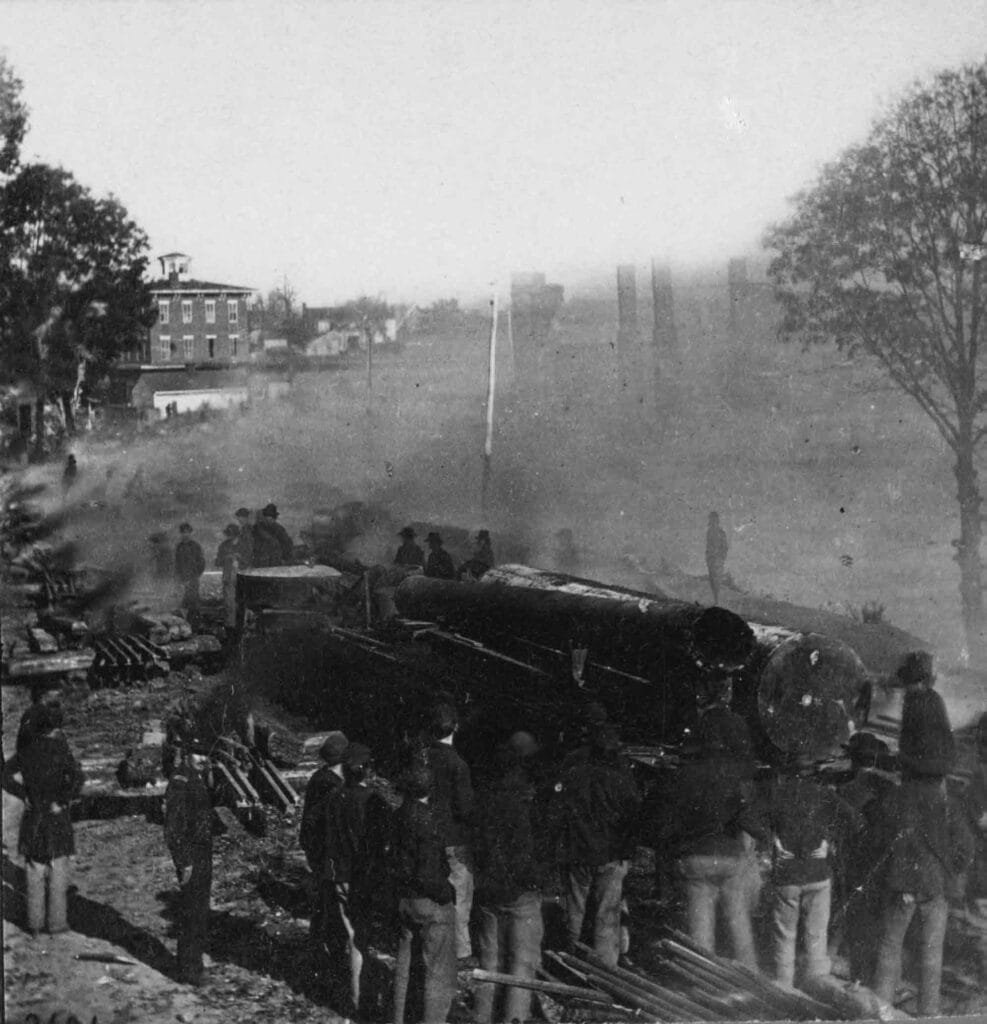
By 1860, four different railroads serviced Atlanta – making the city a major transportation center. During the US Civil War, the Union Army strategically focused on the south’s transportation hubs. After they captured the Mississippi River, the next big transportation hub to tackle was Atlanta. Following the Battle of Atlanta, the retreating Confederate Army destroyed any railroad tracks that Sherman’s army missed. The railroads rebuilt their infastructure and operated again by 1867.
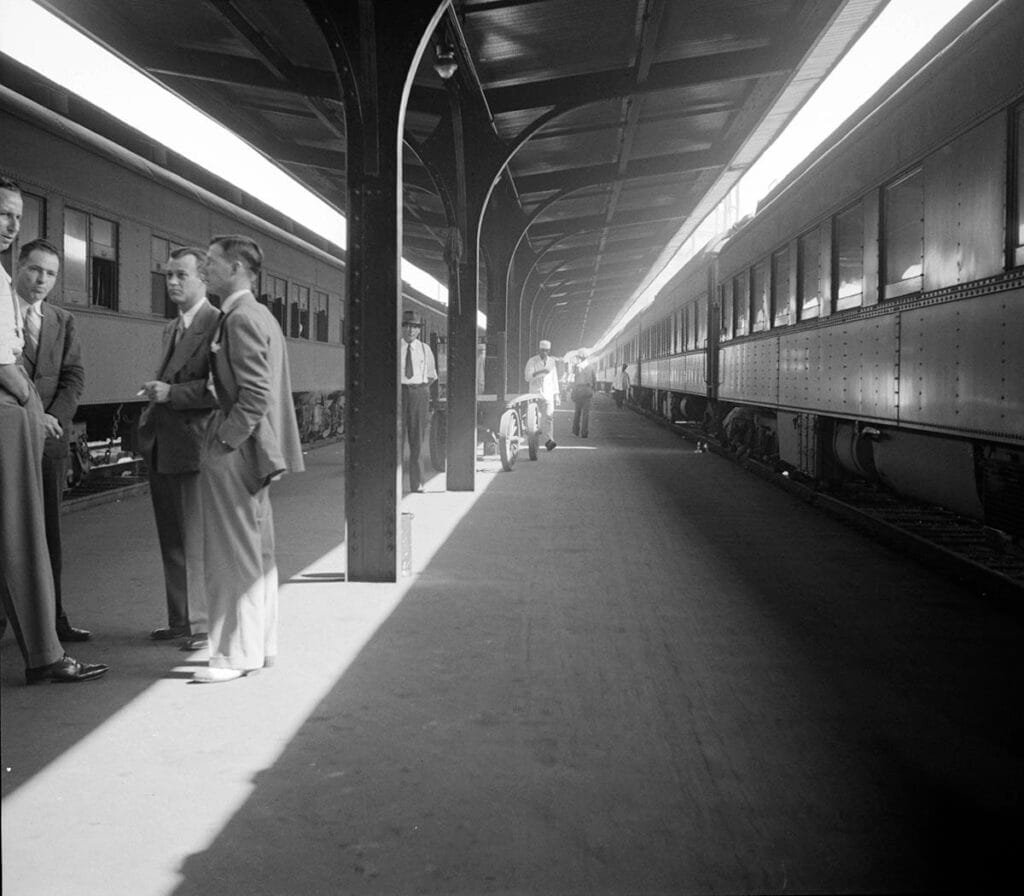
Passenger rail served Atlanta until roughly 1970. It hit its peak during the 1940s, when over 300 passenger trains serviced Atlanta each day. At that time, the Pullman Company was the US’s largest hotelier with more overnight guests in their sleeping cars than any other hotel company. The Pullman Company serviced its famous train cars in Atlanta’s Pullman Yards. This site is living a new life as a cultural and entertainment destination in the Kirkwood neighborhood.
Atlanta’s Terminal Station closed in 1970. The station was demolished in 1972. The Richard B. Russell Federal Building now stands in its place. Atlanta’s Union Station, which was located near the State Farm Arena, suffered a similar fate. It was also demolished in 1972.
Atlanta: the Air Travel Hub
While it looks different today, Atlanta continues to be a transportation hub in the southeast. As passenger rail travel declined, passenger air travel increased. Mayor Walter Sims signed a lease for property south of the city to build a new airport in 1925. Candler Field opened in 1926 on the location of the Atlanta Speedway. Among other airlines, Delta Air Service, founded in Macon in 1925 as a crop dusting service, began flying to Atlanta in 1930.
During World War II, the newly named Atlanta Municipal Airport doubled in size. The airport continued to grow. It was named for Mayor William Hartsfield in 1971. In 2003, the airport was renamed again to honor Mayor Maynard Jackson, becoming the Hartsfield-Jackson Atlanta International Airport. Today the Atlanta airport is one of not the busiest airports in the world in terms of passenger volume.
Atlanta: the Road Transportation Hub
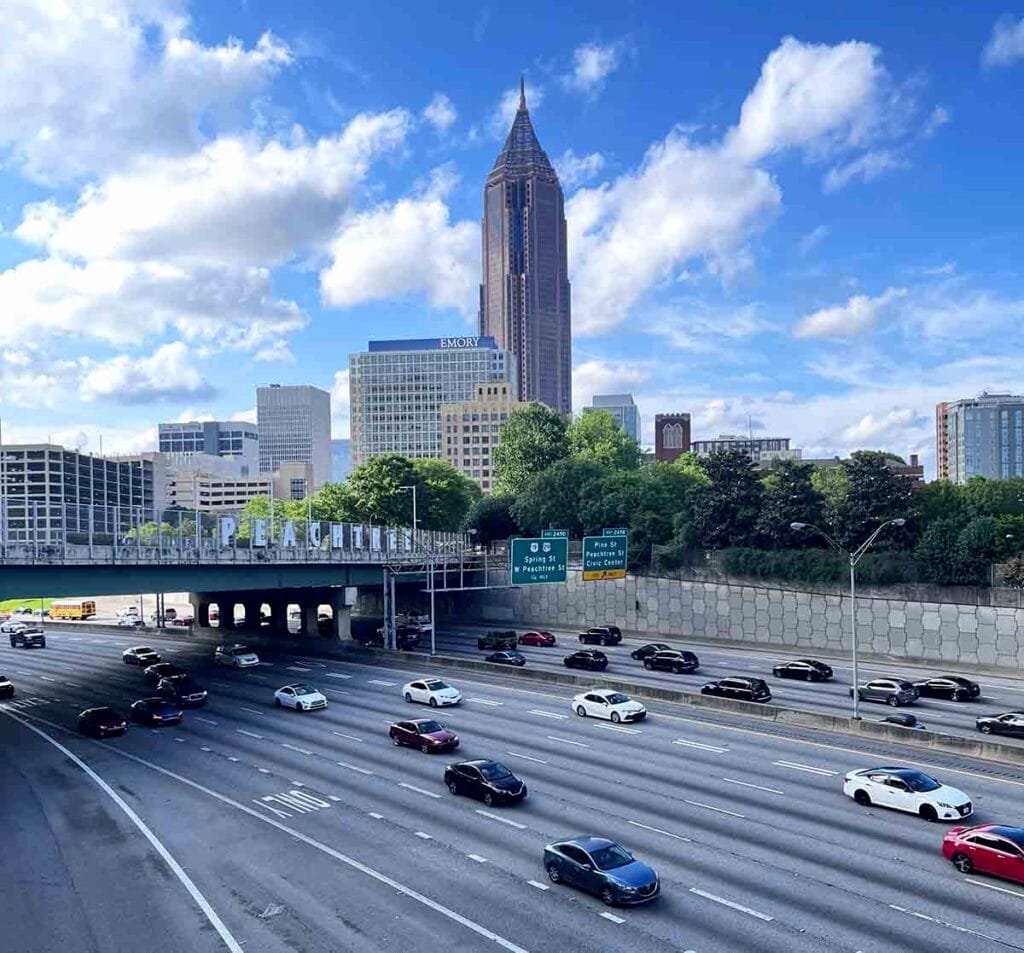
Atlanta built its first freeway in 1949 and today is a major road transportation hub. Atlantans harbor a love/hate relationship with the three major interstates passing through the heart of the city. Locals call the stretch of road where I-75 and I-85 come together the “downtown connector.” We call I-285, which creates a road that encircles the city, the “Perimeter.” I-20 runs just south of downtown Atlanta from east to west.
The Railroads in Atlanta Today
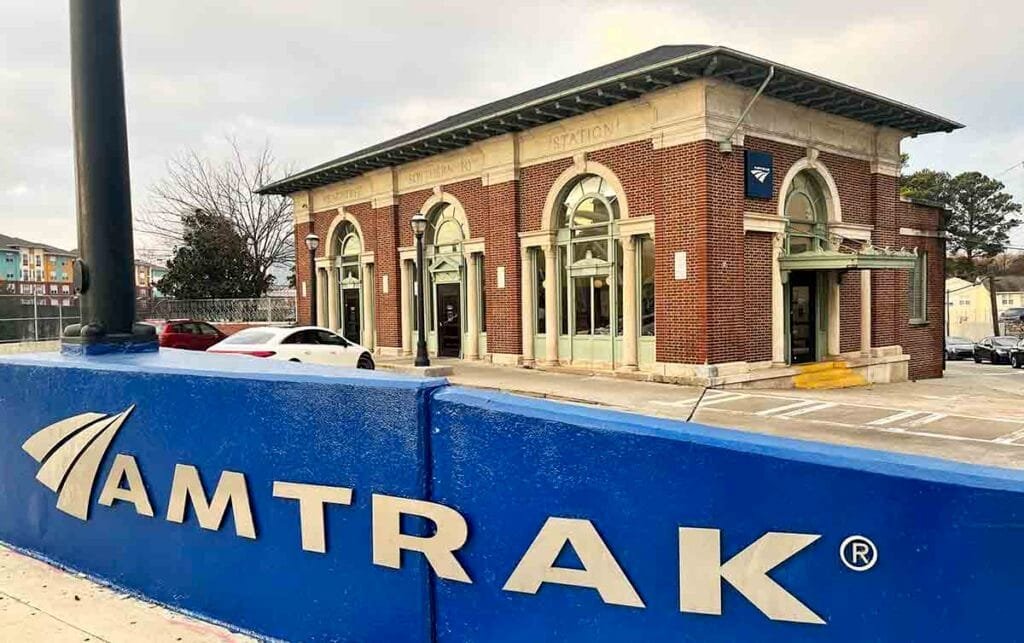
Only a remnant of the original passenger rail service survives in Atlanta. Amtrack services the city via the Crescent line. Two trains come through Atlanta each day on their way between New York and New Orleans. The large passenger trains stations downtown disappeared in 1972. Today Amtrack services Atlanta passengers through Peachtree Station. Atlantans know this station as “Brookwood Station” in Buckhead. Neel Reid, a local Atlanta architect, designed this small commuter station in 1918. It was a suburban stop for the Southern Railway, which merged with Norfolk & Western Railway in 1980 to form Norfolk Southern.
If you spend much time driving around Atlanta, you will notice that there are still many active train tracks. The region continues to be a major transportation hub for train freight. CSX and Norfolk Southern operate over 4600 miles of active tracks in Georgia, many of which come through Atlanta. There are still many active train yards throughout metro Atlanta. In 2021, Norfolk Southern built a new building to house its headquarters in midtown Atlanta.
Atlanta Beltline

The Atlanta Beltline is a city-wide project that takes advantage of the right away of dormant train tracks that encircle Atlanta. The project is replacing the defunct railroad tracks with a 22-mile multi-use trail. The project began as Ryan Gravel’s 1999 graduate thesis at Georgia Tech.
How do you Get to Atlanta?
What is your travel method of choice to get to or from Atlanta? While I hate to sit in my car in Atlanta traffic driving back and forth to work, I love a good road trip. There are so many fun places that the roads running through this city will take me. I love living in Grant Park, where I have easy access to three major interstates: I-75/I-85 and I-20.
I also love living only 15 minutes from the world’s busiest airport. For some reason, flights do not seem affordable to me, but I can get a direct flight to so many amazing destinations. These days, I avoid connecting flights at all costs!
Let me know how you like to travel to and from Atlanta in the comments!


You May Also Like

What to Expect at the National Center for Civil and Human Rights in Atlanta

More Fun Things to do in Atlanta with Little Kids